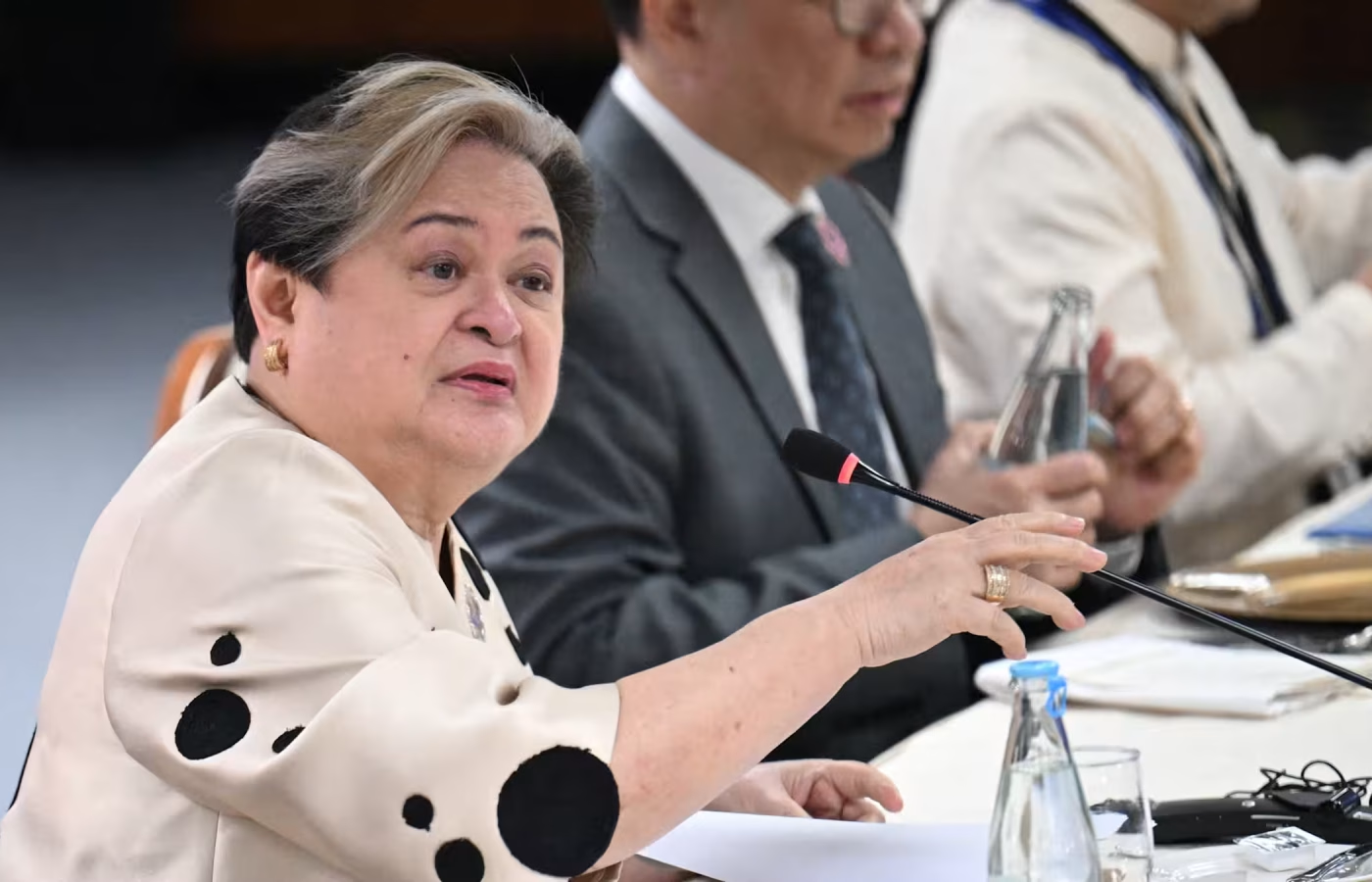
ASEAN special envoy Maria Theresa Lazaro entered Myanmar with a humanitarian mission that reached communities previously difficult for the regional bloc to access. The Philippine foreign secretary's visit on October 28 and 29 produced a tangible aid operation, but it did not resolve the political paralysis surrounding ASEAN's peace plan.
The month-long operation, coordinated through the ASEAN Coordinating Centre for Humanitarian Assistance, is intended to support more than 11,000 households affected by conflict. Rice and hygiene kits are being distributed in areas including Kayin and Shan states, where displacement and insecurity have complicated regular relief work.
This is ASEAN's third distribution effort in Myanmar during 2026 and the first in which the serving special envoy participated personally. Joanne Lin of the ISEAS-Yusof Ishak Institute said reaching locations previously closed to the bloc was significant because humanitarian access has long been one of the few workable channels.
The scale nevertheless remains limited against national needs. Myanmar analyst Khin Zaw Win described assistance for 11,000 households as largely symbolic, while the AHA Centre says ASEAN has delivered more than $27.4 million in aid between September 2021 and September 2026, including $8.04 million in the second response phase.
The diplomatic risk lies in whom ASEAN must engage to move supplies. Lazaro met the military-backed leadership, prompting researcher Gugun Muhammad to warn that contact could confer legitimacy on a government produced by a disputed political process unless the envoy also consults opposition and civil-society actors.
Myanmar has been excluded from ASEAN's highest-level meetings since the 2021 coup because the authorities have not implemented the Five-Point Consensus. The military says it has facilitated 18 monitoring missions since November 2021, but violence and political repression have prevented humanitarian progress from becoming a peace process.
Lazaro's mission therefore establishes access, not reconciliation. Its value will depend on whether aid reaches civilians without political discrimination and whether the envoy uses the opening to widen contact before the November 15–17 ASEAN summit in Manila rather than allowing relief delivery to substitute for diplomacy.