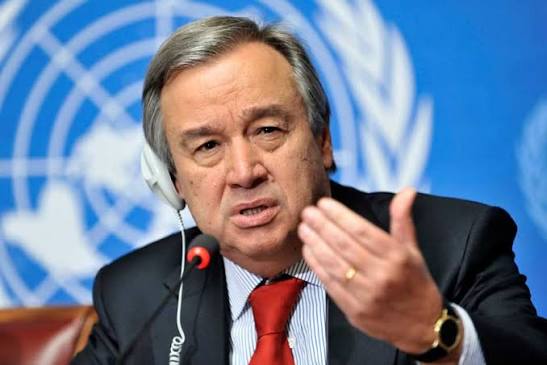
United Nations Secretary-General António Guterres has called for South and North Korea to restore communication channels, including direct military contacts, as tension rises along the Demilitarized Zone. The objective is to prevent an accident, disputed patrol or warning action from escalating before commanders can clarify events.
The immediate concern is a September 21 landmine explosion inside the DMZ that injured three South Korean soldiers, two seriously. A joint investigation by South Korea's military and the United Nations Command concluded that antipersonnel mines had been deliberately placed south of the Military Demarcation Line.
North Korea denied responsibility and described Seoul's findings as fabricated. South Korea then submitted a letter to the UN Security Council on October 22 demanding an apology, removal of the mines and measures preventing recurrence, moving the dispute from the border into formal international diplomacy.
UN spokesperson Stéphane Dujarric said Guterres remained concerned about the possibility of escalation and viewed renewed dialogue as the only path toward sustainable peace. Military hotlines cannot resolve nuclear or territorial disputes, but they can provide facts quickly enough to contain a local incident.
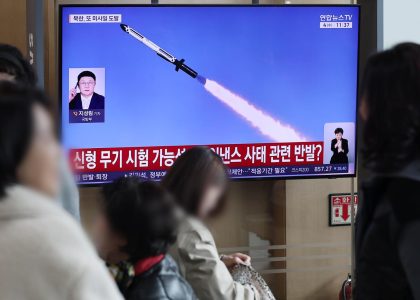
The risk is heightened because the border contains mines, surveillance systems, armed patrols and competing rules of engagement. When political dialogue is suspended, commanders may interpret construction, explosions or troop movement through worst-case assumptions, especially during exercises or periods of intensive weapons testing.
Restoring contact would require practical agreement on which lines operate, who answers them and what information can be exchanged. Previous inter-Korean channels have repeatedly opened and closed according to political relations, making reliability as important as the symbolic act of reconnecting them.
Guterres's proposal is deliberately limited but urgent. An investigation accepted by both sides may remain impossible, yet a functioning military channel could reduce the danger surrounding the next incident. Without it, the DMZ becomes a place where a single blast can produce strategic consequences before evidence is assessed.