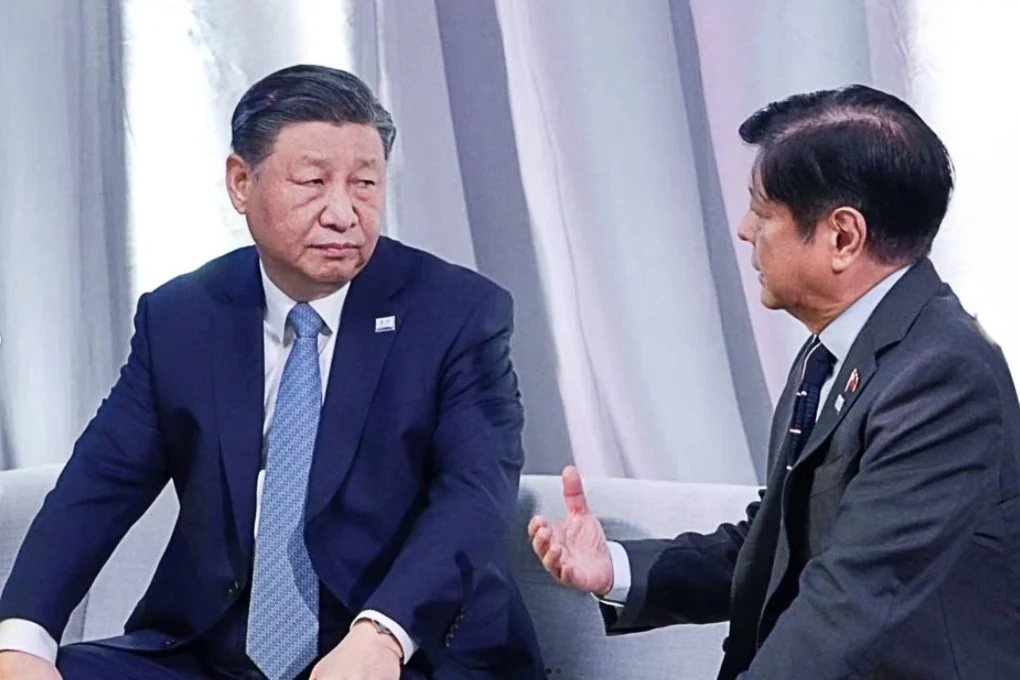
The Philippines and China have agreed to keep diplomatic channels open despite disputes that have repeatedly brought their vessels and officials into confrontation. Philippine Foreign Secretary Ma. Theresa Lazaro spoke at length with Chinese Foreign Minister Wang Yi on November 3 in a call Manila described as frank, pragmatic and constructive.
Both sides committed to dialogue and regular communication, language designed to prevent individual incidents from closing the broader relationship. The pledge is important because direct contact can clarify intentions and create space for operational officials to manage encounters before political pressure makes compromise harder.
Wang nevertheless delivered a sharp warning. He said bilateral ties faced malicious interference and accused some Philippine politicians of taking irrational and intolerable actions that crossed China's red lines. Beijing did not present the call as a reconciliation and left its core accusations intact.
The exchange reflects a familiar imbalance in the relationship. Manila wants practical cooperation and crisis management without abandoning its maritime claims or security partnership with Washington; Beijing seeks dialogue while resisting any Philippine action that internationalises the dispute or strengthens external military involvement.
Regional diplomacy gives both governments an immediate reason to contain tensions. The Philippines is chairing ASEAN, and Manila is expected to host major meetings where Chinese Premier Li Qiang would receive the courtesies accorded to visiting leaders even as disagreements continue in the South China Sea.
A further test will come at the APEC summit in Shenzhen later in November. Senior-level attendance can keep communication active, but ceremonial meetings will have limited value if coast guard operations, maritime militia activity and competing legal claims continue to generate confrontations at sea.
The call therefore reduces the risk of diplomatic paralysis without resolving the underlying conflict. Durable stability will require hotlines that work during incidents, predictable conduct by vessels and political restraint on both sides. Dialogue is the mechanism for that work, not evidence that the work has already been completed.