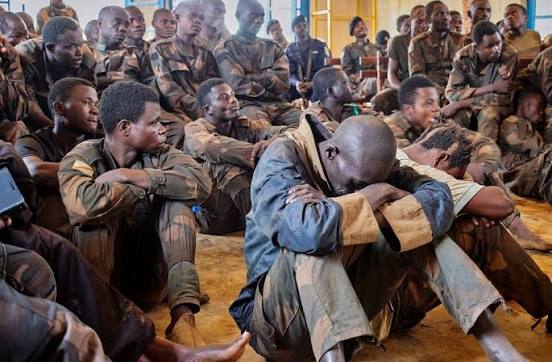
The Walikale military court in eastern Democratic Republic of Congo sentenced 66 soldiers to death for offences linked to their withdrawal from fighting on October 20. The convictions include desertion, mutiny and disobedience during combat with rebel forces in North Kivu province.
Seventy-one troops were tried in the case. Four were acquitted and one received a ten-year prison term, showing that the tribunal distinguished among defendants even as the overwhelming majority received the country's harshest available punishment.
Military authorities describe the prosecutions as part of an effort to restore discipline. The verdicts follow death sentences against 27 other soldiers accused of retreating from the front, making capital punishment an increasingly visible instrument of command policy.
The cases unfold during prolonged fighting against armed groups including the Rwanda-backed M23 movement. Government forces operate across difficult terrain and shifting front lines, where a local collapse can expose towns, supply routes and civilians to rapid rebel advances.
Discipline cannot be separated from institutional conditions. The Congolese army has faced criticism over poor organisation, inadequate equipment and low pay, all of which can weaken unit cohesion and complicate judgments about whether a retreat reflects cowardice, impossible orders or command failure.
Congo restored capital punishment to its legal framework in March 2024 after a two-decade suspension, arguing that severe penalties were necessary for treason and serious military offences. Human-rights organisations condemned the decision, and no executions have been officially reported since.
The Walikale verdicts may deter abandonment of positions, but they also raise questions of due process and proportional responsibility. A durable military response requires competent command, supplies and pay alongside accountability, because death sentences alone cannot repair the operational weaknesses exposed by M23.