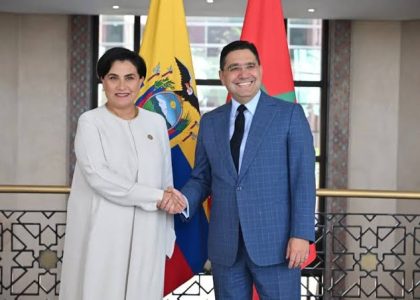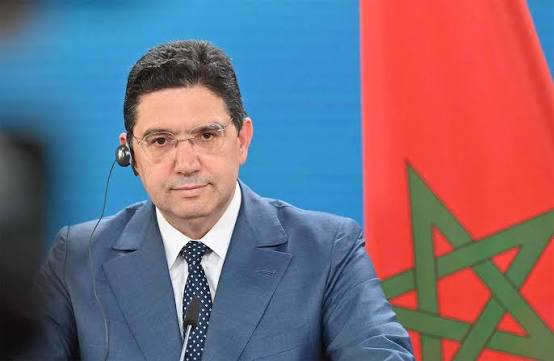
Moroccan Foreign Minister Nasser Bourita presented his department's 2027 budget to parliament, proposing total spending of 5.30 billion dirhams. The plan rises 3.7 per cent from 2026 and adds 155 funded positions as the diplomatic service broadens its external agenda.
Operating expenditure would increase 6.66 per cent to 4.98 billion dirhams, while investment spending would fall 27.27 per cent from 440 million to 320 million. The composition suggests that personnel and ongoing missions are gaining resources even as capital projects are restrained.
Bourita appeared before the lower house committee responsible for foreign affairs, defence, Islamic affairs, migration and Moroccans abroad. The hearing forms part of parliament's examination of the national finance bill before lawmakers decide the final sector allocation.
The ministry identified five pressures: a more multipolar world, stronger regional alliances, expanding conflicts and transnational threats, the influence of non-governmental organisations and the growing weight of multinational companies in liberalised trade.
Its first priority remains defending what Morocco calls the kingdom's territorial integrity, a formulation centred on Western Sahara. Other objectives include presenting Morocco's reform model, deepening African and global partnerships and contributing to migration, counterterrorism and climate policy.
The plan also calls for a new economic and cultural diplomacy, stronger protection for Moroccans abroad and modernised working methods. Those goals require staff, consular capacity and specialised expertise, making the 155 posts as important as the headline increase in spending.
Bourita's budget now faces a delivery test. Parliament and the public can compare diplomatic expansion with the fall in investment funds and ask which missions, services and economic initiatives receive resources. Results must be measured in access, agreements and protection, not activity alone.