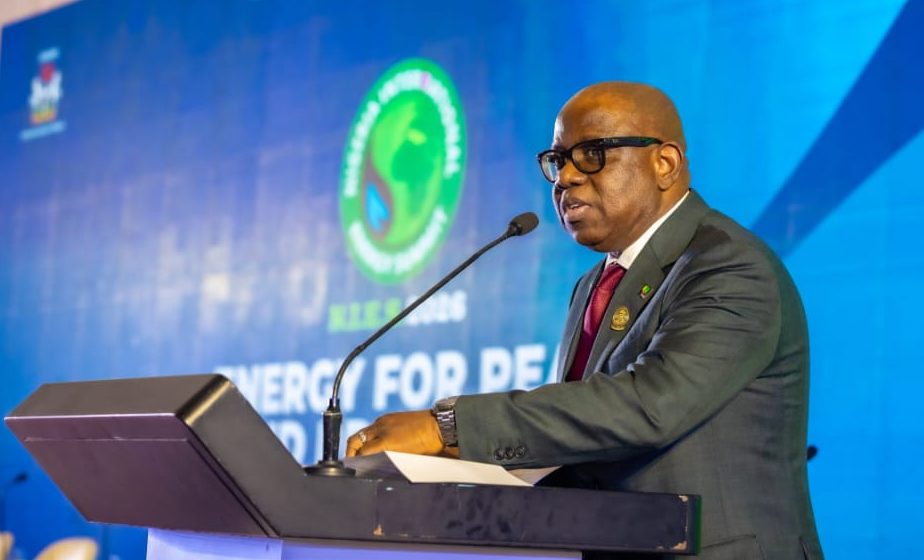
NNPC chief executive Bashir Bayo Ojulari has begun pitching the Nigeria-Morocco Gas Pipeline to international investors, placing financing at the centre of a project estimated to cost between $25 billion and $26 billion. Potential partners include major energy groups such as the UAE's ADNOC.
The project, also called the African Atlantic Gas Pipeline, is jointly led by Nigeria's state energy company and Morocco's National Office of Hydrocarbons and Mines. Its proposed route would run through 13 Atlantic coastal countries before reaching Morocco, creating both an export corridor and regional supply network.
Design capacity exceeds 30 billion cubic metres of gas a year. Ojulari said the current discussions are not only about moving Nigerian gas northward but also about connecting supplies to countries along the route, a feature essential to the project's claim of regional development value.
NNPC plans phased construction that uses existing infrastructure instead of building every segment from zero. The first extension would reach Sierra Leone before progressing through additional countries, reducing the initial capital burden but making technical compatibility and cross-border coordination critical.
Countries on the proposed route signed an agreement in September, supplying a political framework for the investment campaign. That endorsement does not itself settle tariffs, guarantees, environmental review, security risks or the allocation of capacity among domestic users and export markets.
Ojulari also said Nigeria, Algeria and Niger had aligned on the funding structure for the separate Trans-Saharan Gas Pipeline, with final-investment-decision discussions expected in 2027. Advancing two large corridors gives Nigeria options but also creates competition for capital and state attention.
The Atlantic project matters to Morocco because it could diversify supply and support energy sovereignty during volatile market conditions. Its credibility will now depend on bankable contracts, phased engineering milestones and investors willing to accept the political and construction risk of a multi-country pipeline.