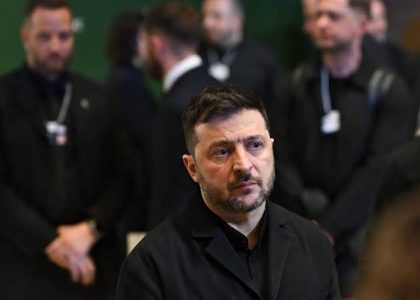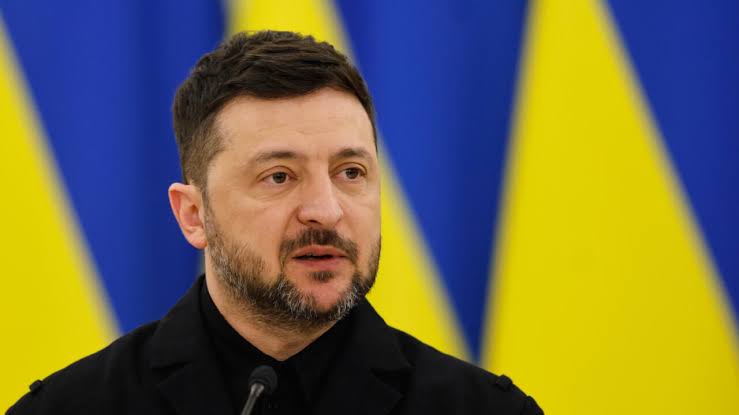
Ukrainian President Volodymyr Zelenskyy is pressing Western partners to define in writing how they would respond if Russia attacks again after a peace agreement. His demand reflects Kyiv's fear that broad political assurances could collapse once troops withdraw or international attention shifts elsewhere.
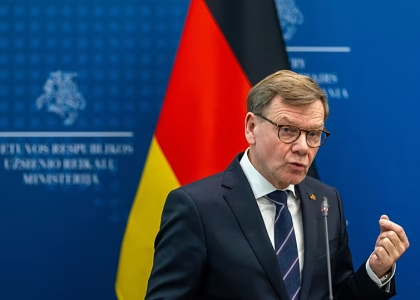
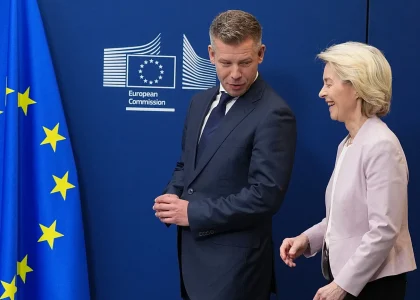
Two days of consultations in Brussels brought together the United States, Britain, France, Germany, the European Union, the World Bank and BlackRock. The agenda connected postwar deterrence with reconstruction and 2027 financing, recognising that security commitments require money, military capacity and institutions able to deliver them.
Zelenskyy also sees the Democratic victories in the US midterm elections as a possible opening for additional American support, particularly Patriot air-defence interceptors. Congressional control may influence appropriations and oversight, although it does not automatically change Donald Trump's authority over diplomacy and military policy.
Trump met Russian envoy Kirill Dmitriev and suggested a large agreement covering Ukraine and perhaps Europe. The Kremlin later said it had not received concrete proposals. That gap between expansive public language and undisclosed negotiating text makes Kyiv's insistence on enforceable details especially important.
The diplomatic effort continues while fighting destroys the infrastructure any settlement would need to protect. A Russian bombing of a humanitarian aid centre killed at least 53 people, and overnight drones caused power outages across seven regions. Ukraine said it intercepted or suppressed 196 of 227 drones.
Trilateral talks among Ukraine, Russia and the United States are planned in Abu Dhabi next week. Territory, sanctions and force levels remain divisive, but the hardest question may be enforcement: which countries would act, with what weapons and under what legal authority if a ceasefire were broken.
Zelenskyy's position does not reject negotiations; it sets a threshold for their credibility. A durable settlement needs clear triggers, command arrangements, resupply plans and long-term funding. Without those mechanisms, reconstruction capital would remain exposed and a ceasefire could merely postpone another phase of war.