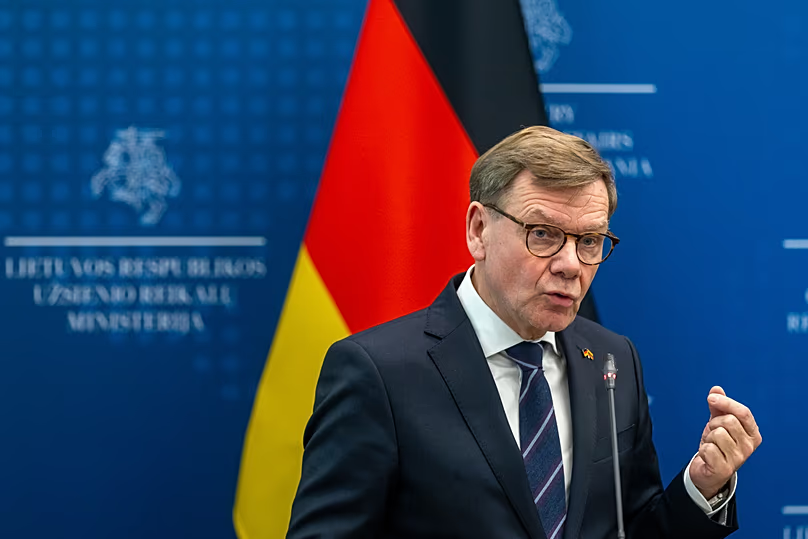
German Foreign Minister Johann Wadephul went to Warsaw with a three-part agenda: help Ukraine survive another winter, keep Europe inside any peace negotiation and strengthen the Baltic region against hybrid threats. The format joins the Council of the Baltic Sea States with Ukraine and senior EU representation.
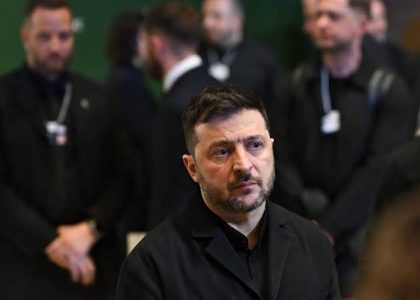
Ukrainian Foreign Minister Andrii Sybiha and EU foreign-policy chief Kaja Kallas were due to participate. Their presence supports Germany's argument that Ukraine must be included in decisions about its future and that European security interests cannot be represented exclusively by outside powers.
Winter assistance is the immediate operational priority. Russia is targeting electricity and heat infrastructure, so Germany is combining humanitarian support with work to protect energy supplies and Ukraine's ability to defend itself. Wadephul also called for fair burden-sharing among European partners.
The meeting expands the definition of security beyond the battlefield. Unexplained bomb threats against flights, cyberattacks on supermarkets, drone incidents, election interference and disinformation illustrate how states and non-state actors can impose costs without declaring conventional war.
Wadephul said those operations aim to unsettle societies and weaken trust in institutions. His proposed response relies on coordination among the Baltic council, the European Union and NATO, which must exchange evidence and strengthen resilience without amplifying every unverified incident.
Russia's shadow fleet is the most concrete maritime target. Germany argues that ageing or obscurely owned tankers threaten shipping, the environment and critical infrastructure while helping Moscow evade sanctions and preserve oil income used to finance the war.
The Warsaw discussions bring these files together because they share one strategic question: whether Europe can sustain pressure and public resilience long enough to influence an eventual settlement. Wadephul's agenda now requires winter resources, enforceable maritime measures and a coherent negotiating position.