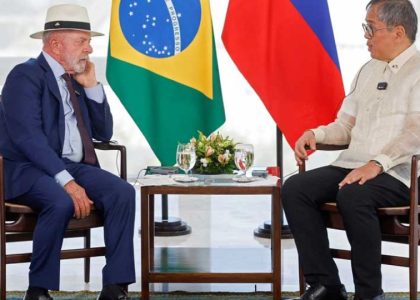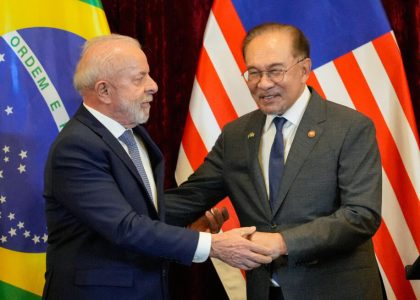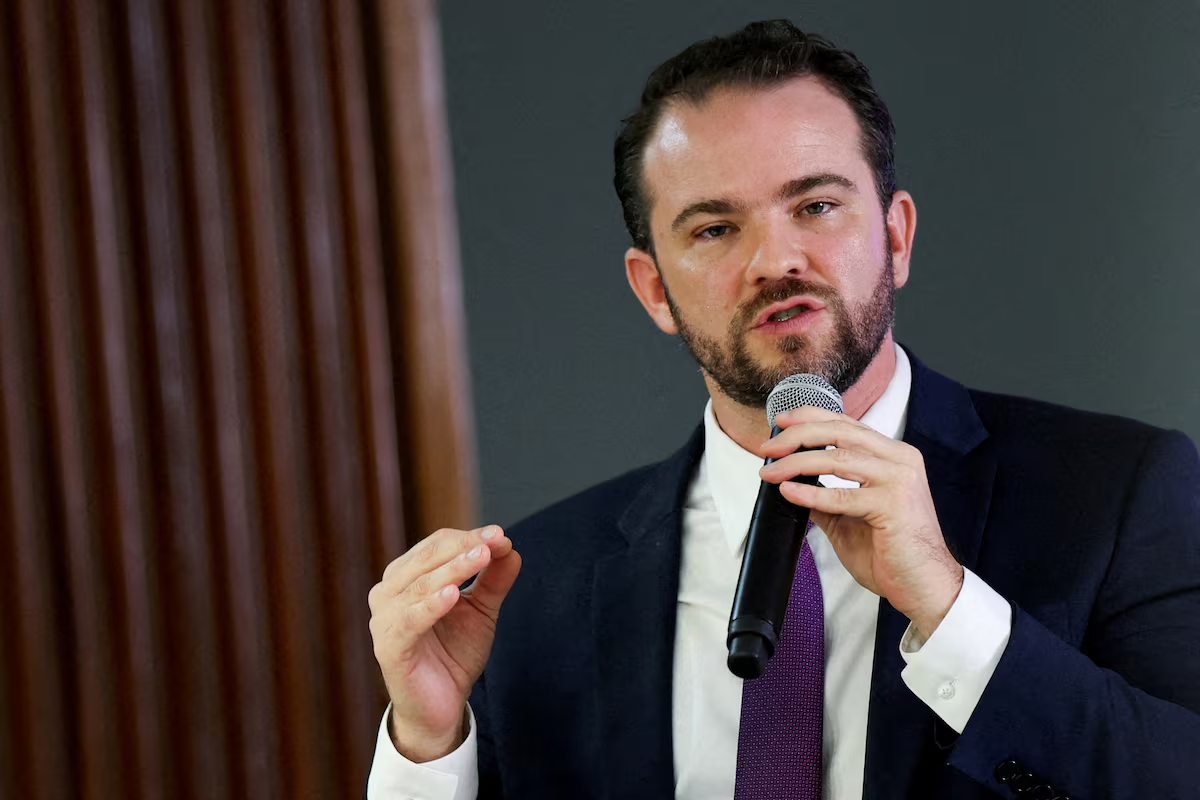
Brazilian President Luiz Inácio Lula da Silva will decide on possible fiscal measures after returning from visits to Turkey and the Philippines later this month, Finance Minister Dario Durigan said. The timetable leaves markets waiting for the first clear budget signal from the recently reelected government.
Durigan said the economic team would continue debating options and presenting proposals while Lula remained abroad through November 15. He was due to join a meeting called by the president to review the economic agenda and provide scenarios rather than announce a completed package.
The urgency comes from rapidly rising mandatory expenditure, which limits the government's room to adjust the budget and has increased the risk premium investors demand on public debt. Brazil's gross debt has climbed by more than ten percentage points during Lula's current term to 82.9 per cent of GDP.
High borrowing costs intensify the problem because they raise debt-service expenses and restrain private investment. Durigan described current interest rates as harmful across the economy and said the government must create structural and sustainable conditions for financing costs to decline, not merely demand lower rates.
The central bank paused its easing cycle on Wednesday and kept the benchmark Selic rate at 13.75 per cent, among the highest levels in major emerging markets. That decision signals concern that inflation expectations and fiscal uncertainty could undermine the case for further monetary relief.
The government now faces a difficult balance. Abrupt spending cuts could weaken public services and political support, while revenue increases or accounting changes may fail to convince investors if mandatory obligations continue growing. Any credible plan will need measurable savings, realistic forecasts and a path that Congress can approve.
Lula's eventual choice will shape both the cost of capital and the opening months of his new mandate. Markets will judge not only the headline size of a package but whether it changes the debt trajectory. Until then, Durigan's scenarios remain preparation rather than policy.