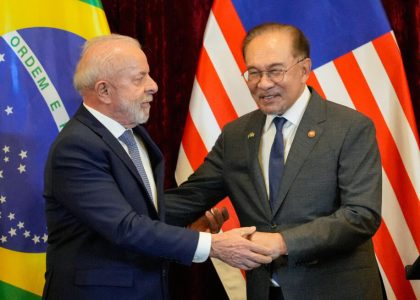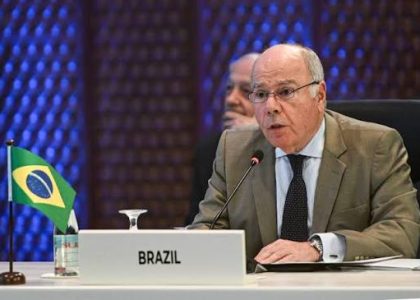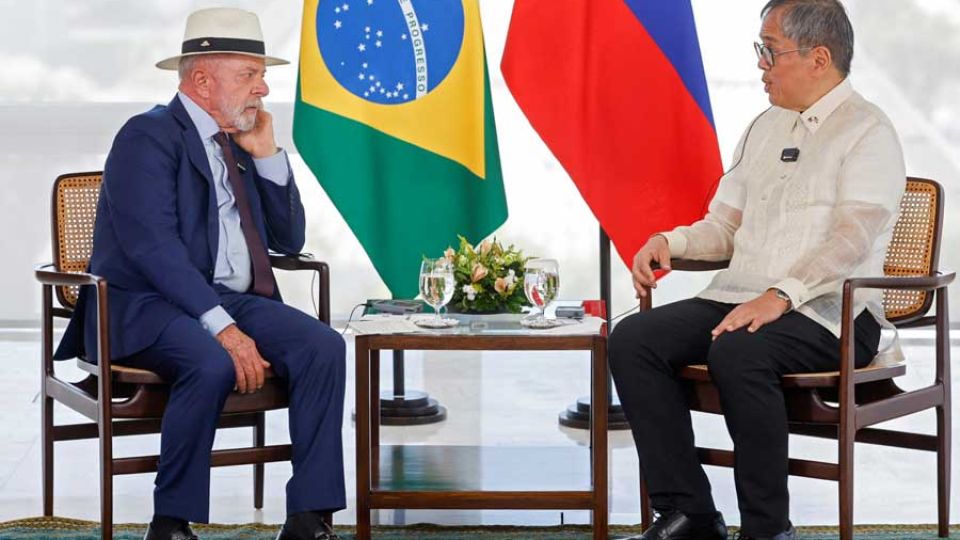
A mission led by Brazilian President Luiz Inácio Lula da Silva will arrive in the Philippines with an urgent trade dispute added to its agenda. Manila has announced a 60-day suspension on selected pork cuts and edible offal from several suppliers, including Brazil.
The measure was issued under Department Order 33 and is expected to begin on November 24, fifteen days after publication, unless a customs implementation order starts it earlier. It is provisional and follows an investigation opened in October under Philippine safeguard law.
The Philippine agriculture department found preliminarily that rising imports from 2021 through August 2026 had caused serious injury to domestic pork producers and that delay risked irreparable damage. That finding frames the restriction as emergency protection rather than a sanitary ban directed only at Brazil.
Brazil's agriculture ministry is monitoring the precise start date, the global volumes covered and the financial and logistical consequences for exporters. Uncertainty over product codes and implementation can disrupt cargo planning even before the suspension formally begins.
The Brazilian Animal Protein Association has already submitted a technical defence and will join Lula's delegation to seek reversal. It argues that Brazil is the Philippines' largest pork supplier and has helped provide affordable protein while African swine fever reduced local production.
The association accepts the need for a formal investigation but demands technical criteria, transparency and proportionality. Those standards matter because a safeguard can protect producers without becoming an indefinite restriction or ignoring the effect on prices and food availability.
Lula's mission must therefore balance two legitimate concerns: Philippine farm recovery and continuity for Brazilian exporters and consumers. The practical goal is a negotiated adjustment based on evidence, with clear volumes and duration, rather than a political confrontation over a temporary measure.