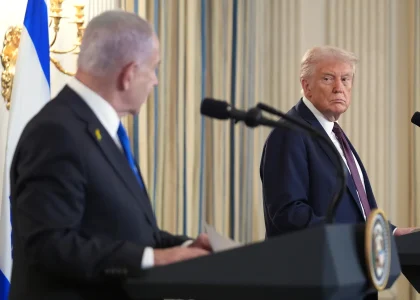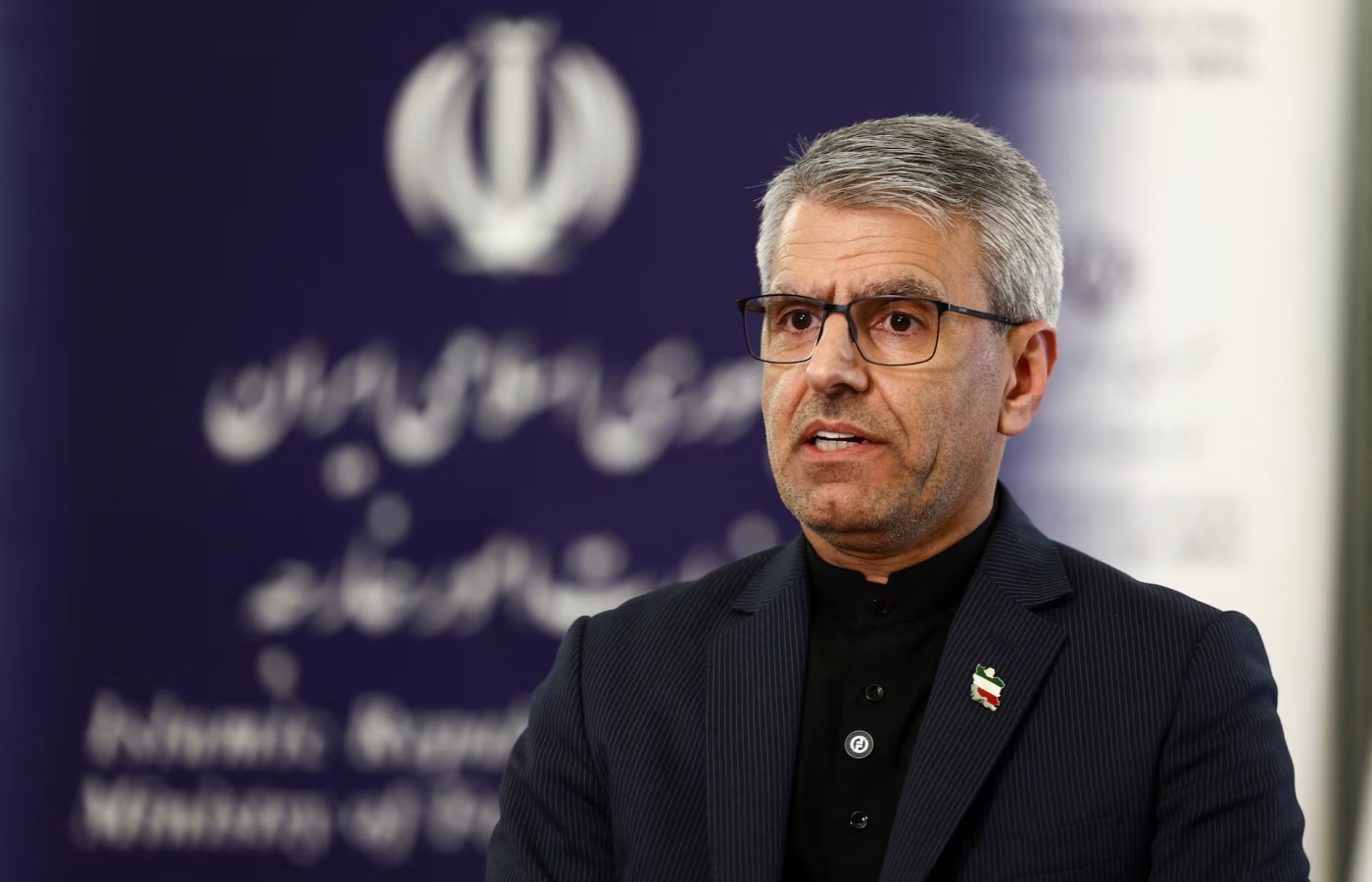
Iran has called the United States' response to its plan for reopening the Strait of Hormuz unconvincing, leaving the region's most important energy corridor caught between mediation and renewed military action. President Donald Trump separately confirmed American strikes on targets around Iran's Qeshm Island near the waterway.
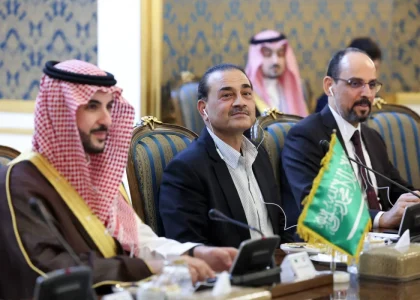
Qatar has been circulating proposals between the two governments after Tehran offered to reopen navigation within two days if seven conditions were met. The demands include sanctions relief, an end to the naval blockade, access to frozen funds, a reduced US military presence and a ceasefire that also covers Lebanon.
Iran also wants recognition of shipping arrangements involving Oman and says nuclear negotiations could follow once the immediate security conditions are addressed. Mohsen Rezaei, secretary of Iran's Supreme National Security Council, said the strait would open only after Washington responded fully rather than selectively.
Parliament Speaker Mohammad Bagher Qalibaf said the ball was in the American court and warned that Iran remained at maximum readiness. That language preserves a diplomatic option while signalling that Tehran will continue using control of maritime access as leverage rather than separating Hormuz from the wider conflict.
Trump said the latest US strikes were directed at military threats around Qeshm, where Iranian systems can monitor and challenge traffic through the narrow channel. Another oil tanker was reported attacked as the exchange continued, adding to the costs faced by crews, shipowners, insurers and energy buyers.
The disagreement is not simply over whether ships may pass. Iran's conditions connect sanctions, deployments, regional ceasefires and financial access, while Washington seeks navigational security without conceding a broad strategic settlement in advance. That mismatch explains why a limited technical arrangement remains difficult.
A credible reopening would require verified mine clearance, rules for military vessels, protection for commercial shipping and a mechanism for investigating violations. Until mediators can turn the seven demands and the US reply into enforceable steps, Hormuz will remain both a battlefield and the principal bargaining asset in the confrontation.