Saudi Arabia, Türkiye, Pakistan and Iran agreed to continue high-level talks on regional peace and security after an initial meeting in Tehran. The contact is the first of its kind since the war involving Iran, the United States and Israel spread into Saudi Arabia and Yemen.
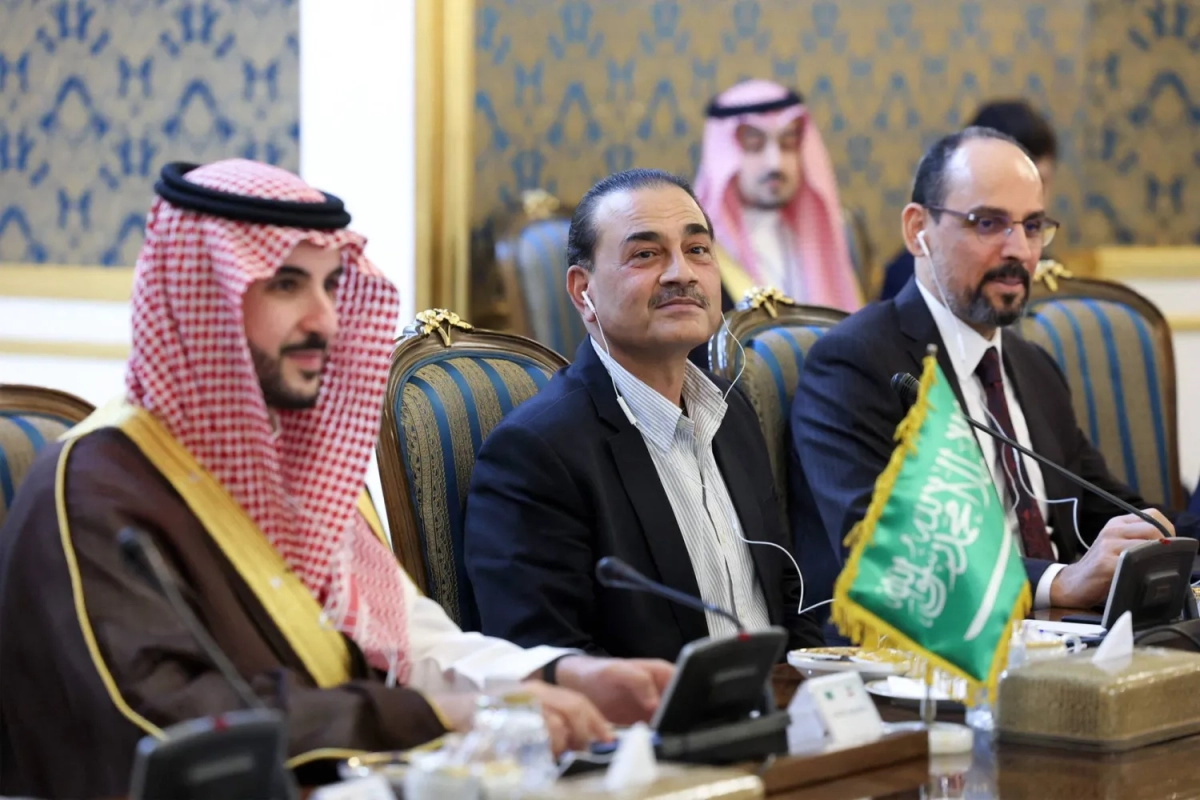
The visiting delegation reflected the weight of the initiative. Saudi Defence Minister Prince Khalid bin Salman, Pakistani army chief Field Marshal Asim Munir and Turkish intelligence chief Ibrahim Kalin met Iranian President Masoud Pezeshkian and senior security and foreign-policy officials.
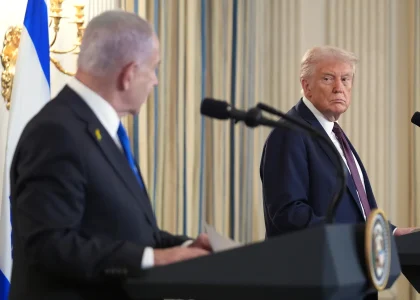
Officials discussed a possible regional non-aggression network, negotiations between Washington and Tehran, Houthi attacks on Saudi Arabia, the Strait of Hormuz and the US blockade of Iranian ports. Pakistan presented a proposal intended to offer concessions or guarantees to both sides, without disclosing its terms.
The states linked by the Mecca mutual-defence pact, together with Qatar, could act as guarantors if a framework is accepted. That would give regional governments responsibility for enforcing a settlement rather than leaving security arrangements entirely to the United States or Israel.
The talks unfolded while the battlefield worsened. Saudi forces intercepted three Houthi ballistic missiles aimed at the Eastern Province and four drones heading south, after downing three more drones over Riyadh and southern areas the previous evening.
The Houthis have struck Saudi airports, ports and oil facilities, while a Saudi-led coalition has attacked missile tunnels, launchers and storage sites in Yemen. An attack on Riyadh's King Khalid International Airport this month killed at least 13 people and wounded more than 300.
Dialogue has therefore not produced a ceasefire, but it creates a channel linking the principal regional actors. Its credibility depends on reducing Houthi attacks, containing Saudi retaliation and finding terms acceptable to Washington and Tehran before shipping disruption and oil-price pressure deepen further.