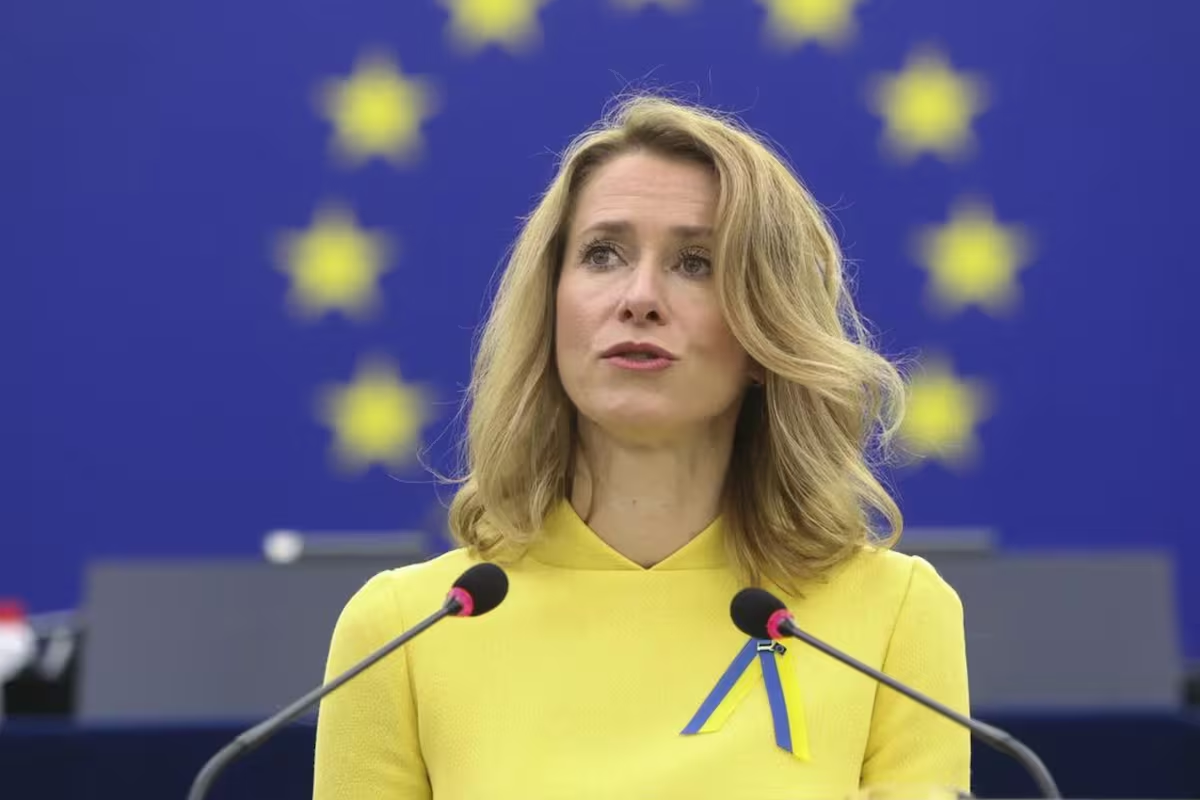
European Union foreign policy chief Kaja Kallas has warned that Brussels remains traumatised by Brexit even as Britain's new government seeks a closer strategic relationship. She argued that practical cooperation should be rebuilt gradually before either side treats renewed membership or a sweeping institutional settlement as an immediate objective.
The comments came ahead of an EU-UK summit scheduled for November 20 and during discussions with British Defence Secretary Wes Streeting, EU defence commissioner Andrius Kubilius and German Defence Minister Boris Pistorius. Security is becoming the most workable route for a broader reset because both sides face the same Russian and hybrid threats.
The relationship still carries financial and industrial disputes. Britain declined to participate in the EU's €150 billion SAFE defence-loan programme after judging a proposed entry contribution of roughly €4 billion to €6 billion poor value. London wants access to cooperation without accepting terms it sees as disproportionate.
Prime Minister Andy Burnham has promised to rebuild links in trade, education, energy and defence and has not ruled out eventual membership. Brussels remains open to closer relations, but officials stress that rejoining would require a lengthy legal and political process capable of reopening divisions inside both Britain and the union.
Streeting acknowledged the economic damage caused by Brexit and praised the willingness to confront it. He also criticised Made in Europe procurement preferences, warning that excluding British firms could weaken Europe's defence industrial base at the moment governments need faster production and more interoperable equipment.
For the EU, common procurement is also an instrument of industrial policy and strategic autonomy. For Britain, the same rules can look protectionist when its companies provide essential components and capabilities. The dispute shows why shared security interests do not automatically remove competition over money, jobs and regulatory control.
The November summit will be judged on concrete arrangements rather than declarations of goodwill. Progress on mobility, defence projects, energy links and crisis coordination could create confidence for larger choices later. Failure to settle practical access and cost questions would confirm that Brexit's institutional damage still limits even urgent cooperation.