Panama's goods exports fell 22.1 per cent in the first half of 2026, according to an Inter-American Development Bank assessment. The contraction largely reflects comparison with copper sales made in 2025 after the Cobre Panamá mine stopped operating in late 2023.
The government authorised exports of stored concentrate in 2025, generating about $334 million from 122,520 tonnes. That exceptional release lifted the previous year's national export value by 36.9 per cent and now makes the underlying 2026 comparison appear weaker.
New shipments resumed after June, so they were absent from the bank's first-half calculation. First Quantum Minerals exported 33,000 tonnes in August and 38,611 in September, a combined 71,611 wet tonnes that produced $203 million during the third quarter.
Excluding copper minerals, Panama's export offer reached $1.16 billion from January through September, 17.2 per cent more than a year earlier. Registered exports contributed $822.4 million, while value-added sales from special regimes rose 43.8 per cent to $335.3 million.
Frozen shrimp, bananas, palm oil, teak, pharmaceuticals and coffee form the principal non-mineral basket. Banana exports resumed from Bocas del Toro after Chiquita Brands restarted its plant, while the United States, Asia, Europe and regional markets remain important destinations.
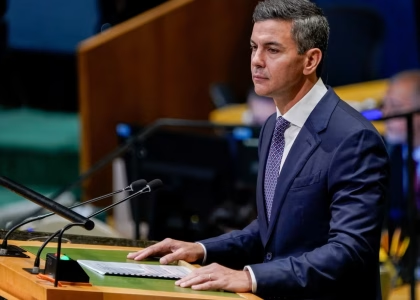
Commerce and Industry Minister Julio Moltó said the additional $67.7 million in registered sales also supports transport, logistics, services and suppliers. He argued that greater value added would widen the range of buyers and strengthen the domestic benefits of exporting.
Panama's challenge is therefore structural rather than statistical. Copper can rapidly alter headline results, but durable diversification requires scale, standards, logistics and investment for non-mineral producers. Moltó's test is to turn the current growth into a less concentrated export base.