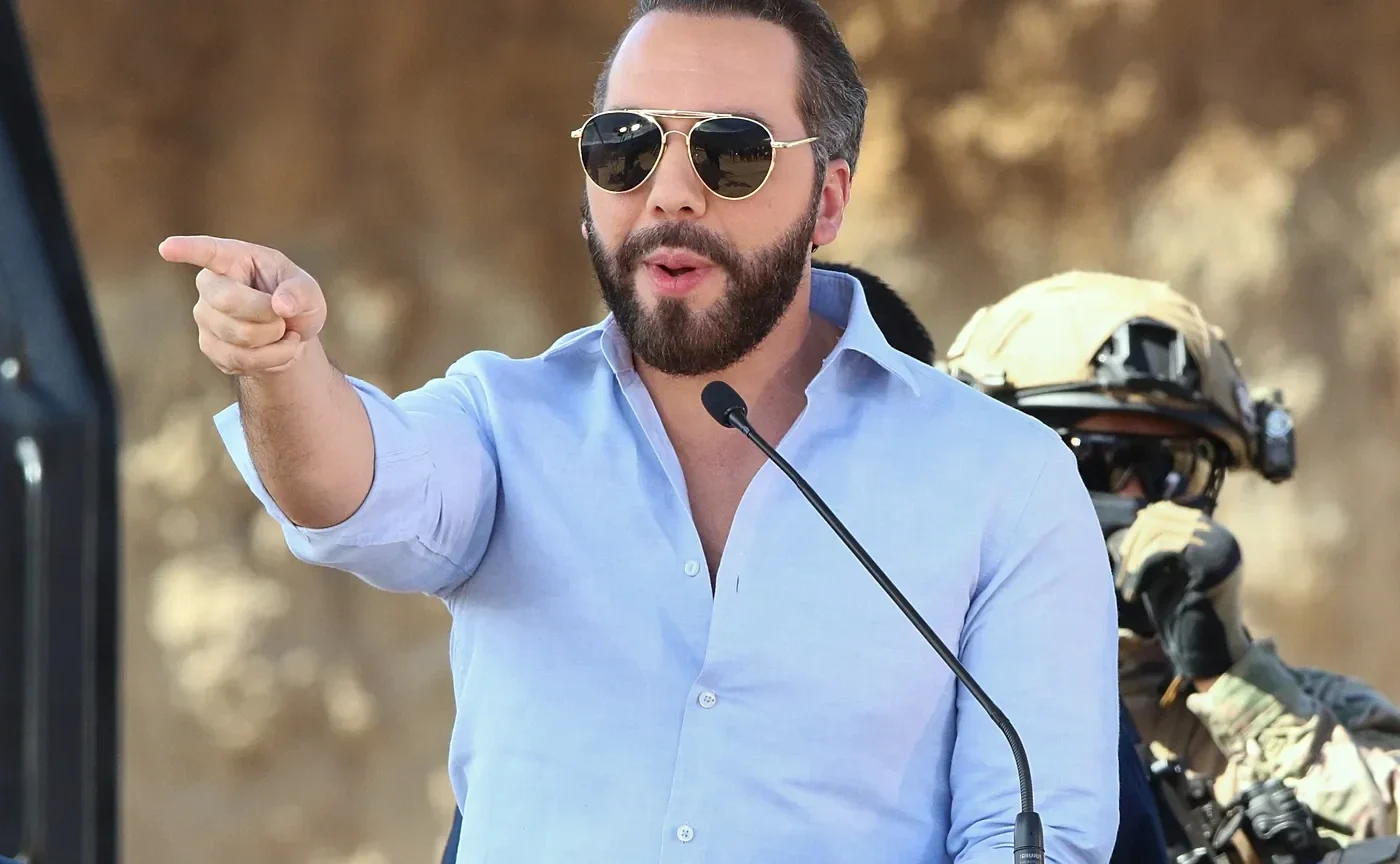
El Salvador's President Nayib Bukele has promoted an increasingly direct military role in Haiti, publishing images of heavily armed Salvadoran troops and helicopters confronting gangs. The deployment followed the October 18 disappearance of four Salvadoran aviation technicians during an ambush outside Port-au-Prince.
Haitian police have recovered the burned vehicle used by the missing men in Croix-des-Bouquets, an area controlled by gangs, but have not located the technicians. Salvadoran troops joined Haitian police and the United Nations-backed Gang Suppression Force in the operation that found the wreckage.
Bukele sent more than 2,000 troops and military equipment after the attack. He said his forces would help Haitians free themselves from armed groups and posted footage he described as helicopters firing on gangs attacking Chadian personnel. His rhetoric presents the mission as decisive combat rather than limited support.
The command structure remains unclear. The UN says only about 200 Salvadorans operate within the authorised multinational force, leaving most of the deployment outside that framework. Questions remain about who commands them, their rules of engagement, legal protections, accountability and the duration of their mission.
Haitian Prime Minister Alix Didier Fils-Aimé insists foreign forces support rather than replace the state and operate under Haitian direction. Yet multiple bodies now conduct security operations, including Haitian police and soldiers, the multinational force, Salvadorans and a task force associated with a private security company.
The humanitarian risk is substantial. Haiti's gangs control much of the capital, almost six million people face acute hunger and intensified fighting has blocked roads and medical access. Doctors Without Borders reported thirty wounded civilians in the eight days after the technicians disappeared and warned of further displacement.
Bukele's deployment may increase pressure on gangs, but operational success cannot substitute for a lawful chain of command. Haiti and its partners need public agreements, civilian-protection rules and independent oversight before a temporary emergency response becomes an open-ended foreign military intervention.