China says it is willing to increase purchases of American agricultural goods only if Beijing and Washington finalise and implement reciprocal tariff reductions. The condition places farm trade inside a larger negotiation rather than treating promised purchases as a stand-alone commitment.
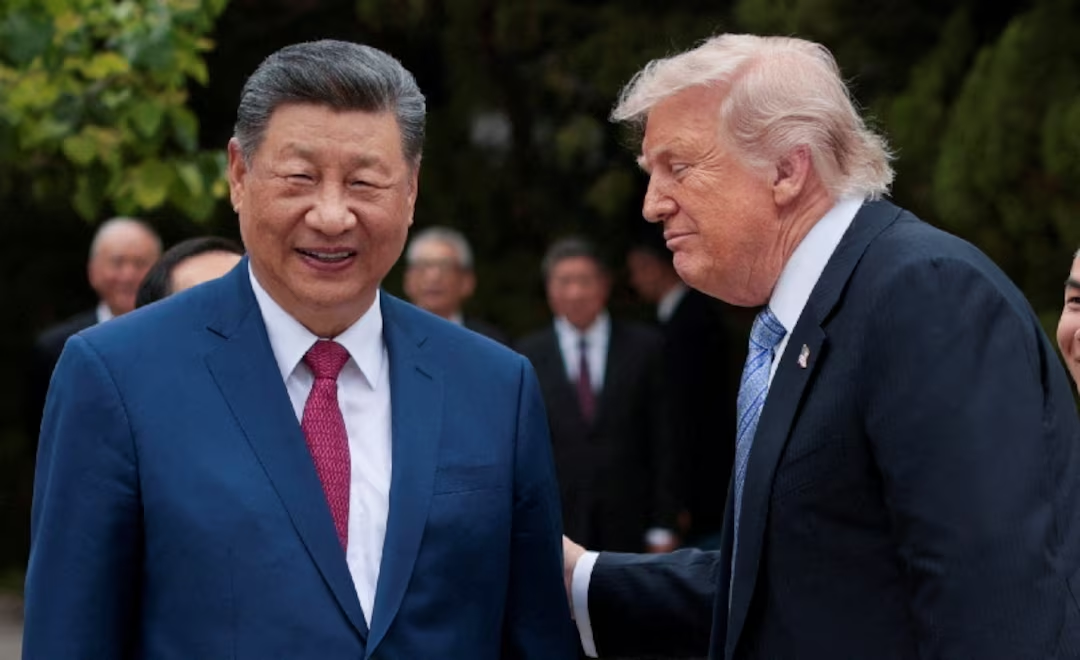
The proposed package emerged after the September summit between Xi Jinping and Donald Trump. It would cover $60 billion in goods traded between the two countries through a thirty-billion-dollar reduction on each side, although the agreement has not yet been completed or put into effect.
Commerce Ministry spokesperson Huang Ling said the United States must lower tariffs, reduce non-tariff barriers and improve market access to create favourable conditions. Beijing's position makes clear that purchasing targets will depend on commercial viability and reciprocal concessions rather than political declarations alone.
The White House said in May that China had agreed to buy $17 billion of US agricultural products annually from 2026, separate from an earlier soybean commitment. It has not clarified whether the timetable began with that announcement or will start only once the tariff package becomes operational.
China is on course to meet its soybean target, but imports of other American farm goods, including meat and corn, totalled only $7.2 billion from January through September. That was the lowest level for the period since 2019, during the first US-China trade war.
Slow purchases have increased pressure on US farmers already facing high fuel costs and uncertain export demand. Traders say large volumes are unlikely without lower tariffs, which means the gap between political commitments and actual orders reflects price conditions as well as strategic bargaining.
An agricultural working group is expected to meet before the end of the year. Its central task will be to define covered products, start dates and enforcement. Without those details, both governments can claim the other has delayed implementation while farmers and importers continue to make decisions without a stable framework.