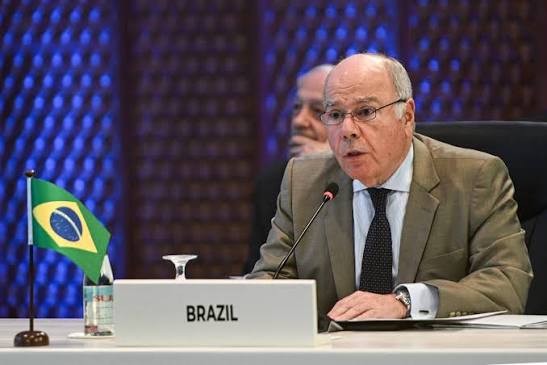
Brazilian diplomats have described the Republican defeat in the United States midterm elections as a major relief and a possible opening for more pragmatic bilateral negotiations. Their assessment follows 17 months of unusually severe tension between Brasília and Washington under President Donald Trump.
The disputes included two rounds of tariffs, first at 50 per cent and later 37.5 per cent, trade investigations, visa restrictions and sanctions on Brazilian officials. Washington also designated the PCC and Red Command criminal factions as terrorist organisations without agreement from Brazil and revoked the Brazilian ambassador's visa.
Trump has still not publicly recognised Luiz Inácio Lula da Silva's reelection and granted a humanitarian visa to defeated candidate Flávio Bolsonaro. Brazilian officials had expected both countries' elections to conclude before serious negotiations resumed, and now see a stronger Congress as an additional channel for engagement.
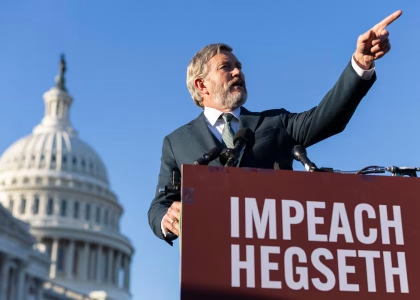
Democrats captured both the House and Senate, including victories in traditionally Republican states. Senator Ron Wyden, expected to lead the Finance Committee, has promised to reassert congressional authority over trade, challenge Trump's tariff policy and examine measures that raised costs or damaged relations with partners.
That could expose the legal and factual basis of the Section 301 investigation used against Brazil, including allegations involving Pix, environmental data, intellectual property and regulation of large technology companies. Brazilian diplomats also expect potential cooperation with Democrats on climate and platform rules, although those issues may rank below health care and living costs.
The opportunity is not risk-free. Former US official Ricardo Zuñiga and analyst Alex Main noted that presidents weakened at home often become more active abroad. The White House has already reaffirmed its so-called Donroe Doctrine, presenting American predominance in the hemisphere and resistance to Chinese influence as strategic objectives.
Brazil therefore expects neither automatic reconciliation nor capitulation. The practical opening lies in using congressional oversight, new bipartisan contacts and Trump's reduced political capital to negotiate trade and security disputes. Whether that produces progress will depend on Washington accepting mutual concessions rather than treating Brazilian autonomy as defiance.