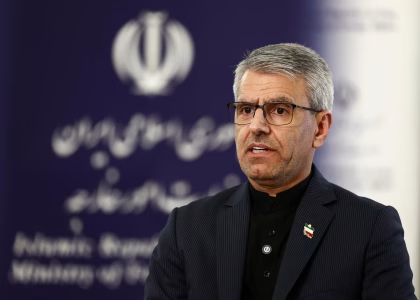
Iran has sent the United States a nuclear proposal through Qatar, creating a written diplomatic channel while refusing immediate negotiations. A senior Iranian official said Washington was reviewing the document but offered no details of its provisions, verification mechanisms or proposed limits on nuclear activity.
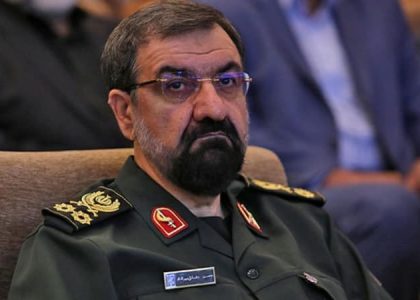
Tehran says discussion can begin only after the United States fulfils seven demands. Publicly identified conditions include lifting sanctions, releasing frozen Iranian assets and paying war reparations. Security chief Mohsen Rezaei also tied negotiations and reopening the Strait of Hormuz to prior American compliance.
Washington takes the opposite view on sequence. US officials insist that nuclear issues must form part of any initial negotiation, making it unlikely that the administration will implement major economic concessions before talks. The disagreement therefore blocks even the procedure that would be used to address substance.
Qatar and other mediators have intensified contacts because both sides fear combat could resume after the US midterm elections. President Donald Trump has declined to exclude renewed operations, while Iranian officials warn that any new campaign would produce a wider retaliation than the previous round of fighting.
The war began with US and Israeli attacks on Iran on February 28. Iran then struck Israel and Gulf states hosting American bases. The conflict spread through Lebanon, where Hezbollah fought Israel, and Yemen, where the Iran-aligned Houthis attacked Saudi energy facilities, airports and other targets.
Hormuz remains central because continued disruption affects oil and gas shipments far beyond the belligerents. Reopening the waterway could become an early confidence-building measure, but Tehran treats control of navigation as leverage, while Washington views free passage as a security requirement rather than a concession.
The proposal is evidence that diplomacy remains active, not that an agreement is near. Its value will become clearer only if mediators can turn absolute preconditions into phased reciprocal steps, combine nuclear monitoring with sanctions relief and create safeguards against another military escalation.