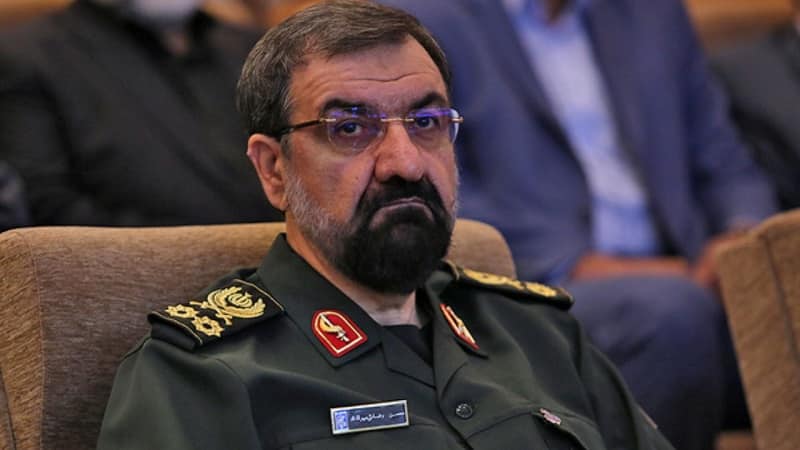
Russian President Vladimir Putin met Iran's senior security official Mohsen Rezaei at the Kremlin as mediators intensified efforts to end the United States-Iran war. Rezaei delivered a message from Supreme Leader Ayatollah Mojtaba Khamenei and described the talks as covering regional security after the conflict.
The meeting gave Tehran a direct channel to a powerful partner while proposals circulated through intermediaries. Rezaei said Iran had presented seven conditions to Washington and would neither enter negotiations nor reopen the Strait of Hormuz until the United States carried them out.
Iranian demands include the lifting of US sanctions, release of frozen assets and payment of war reparations. Washington insists that nuclear questions must be part of initial negotiations. The two positions differ not only on substance but on sequence: Tehran wants concessions before talks, while Washington seeks talks first.
Rezaei also discussed a proposed gas pipeline from Russia to Iran. The project is intended to ease Iranian shortages and give Russia a route to sell gas onward to neighbouring countries, but it would require large investment, infrastructure agreements and protection from sanctions and wartime disruption.
Khamenei had warned in a written statement against any inclination toward submission to the United States. That language limits the political space available to Iranian negotiators, because a compromise must be presented domestically as enforcement of sovereign conditions rather than retreat under military pressure.
Russia can offer diplomatic support and energy cooperation, yet its ability to deliver an agreement is uncertain. The dispute also involves the blockade of Iranian ports, navigation through Hormuz, sanctions, nuclear limits and security arrangements affecting Israel and Gulf states, all beyond Moscow's unilateral control.
The Kremlin meeting therefore strengthened coordination without demonstrating that peace is close. Progress will depend on whether the seven Iranian conditions can be converted into negotiable stages, whether Washington modifies its sequencing and whether both sides prevent new military incidents from overtaking mediation.