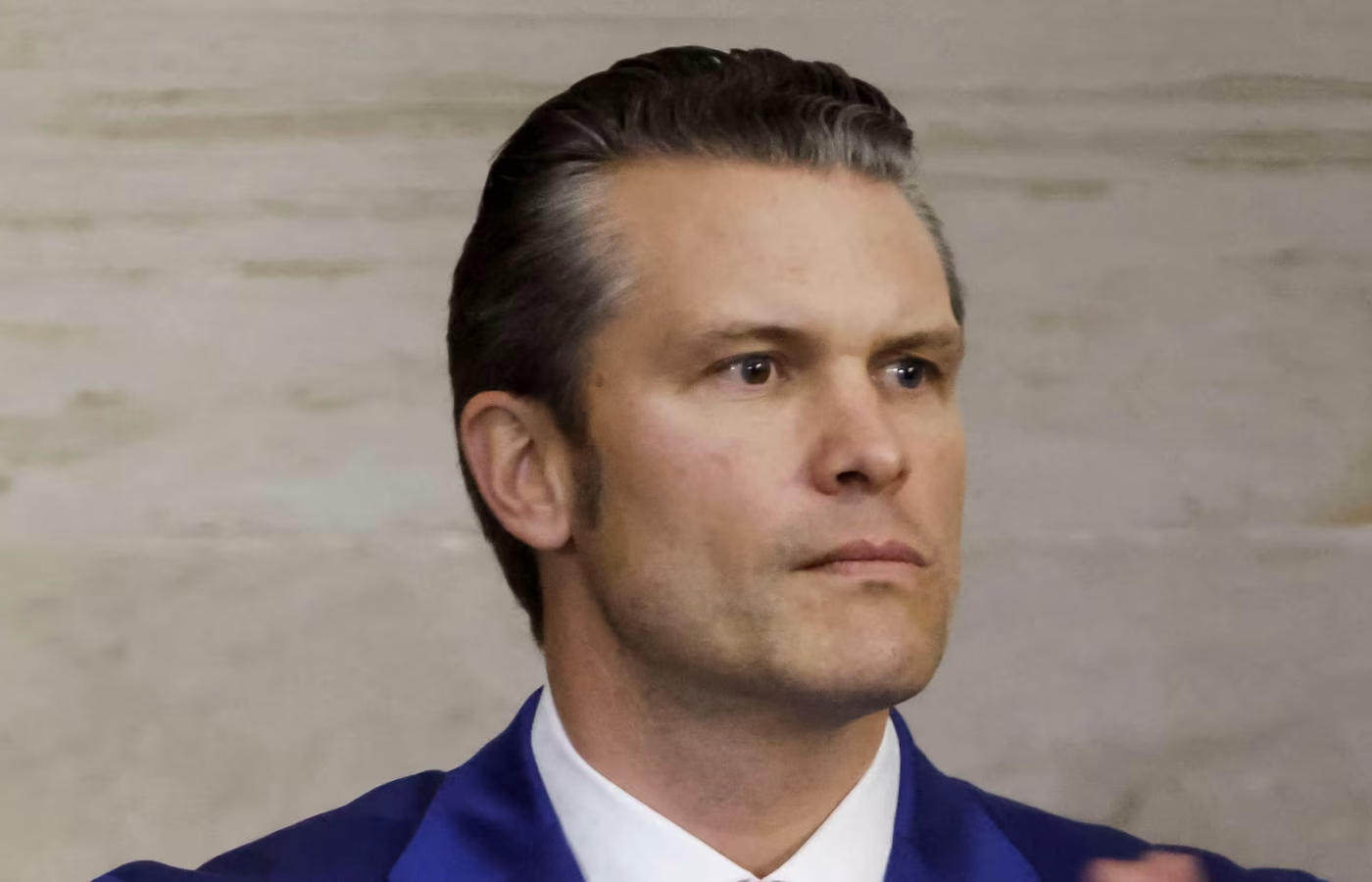
Defence Secretary Pete Hegseth has become the central figure in speculation about President Donald Trump's post-midterm personnel changes. The White House has not announced his removal, and Trump continues to support him publicly, but Republican losses have intensified pressure for a visible reset.
Trump is replacing chief of staff Susie Wiles with hardliner Stephen Miller and has offered the press-secretary position to mixed-martial-arts executive Dana White. Those moves suggest a political operation being rebuilt around loyalty and confrontation, making the Pentagon leadership an obvious next focus.
Hegseth entered office through a 51–50 Senate confirmation and has few independent allies on Capitol Hill. His strongest protection is his relationship with Trump and Miller, while his backing for the Iran intervention ties his position to a conflict criticised over fuel prices, costs and strategy.
Democrats will control Congress in January, and Representative Jason Crow has promised impeachment proceedings. Outgoing Republican Thomas Massie is separately preparing a vote that cites alleged abuses involving Iran and Yemen strikes, attacks on Caribbean boats and scrutiny of Senator Mike Kelly.
Hegseth rejects the accusations as political theatre. His critics nevertheless point to blocked promotions, confrontational management, an offensive September address and a proposed livestream of a firing-squad execution that Trump cancelled, presenting these episodes as evidence of poor judgment rather than one isolated dispute.
Political scientists assessing the turmoil noted that Trump can gain attention by staging dismissals like television events. Tom Pepinsky argued that firing Hegseth could produce a ratings bump, while Stephen Ansolabehere said resignation remained possible if pressure made the role untenable.
The immediate question is therefore not only whether Hegseth survives, but what his fate would signal. Retaining him would privilege loyalty through congressional confrontation; removing him would let Trump claim renewal while shifting responsibility for an unpopular war and a turbulent Pentagon.