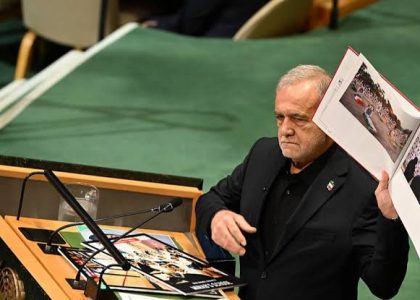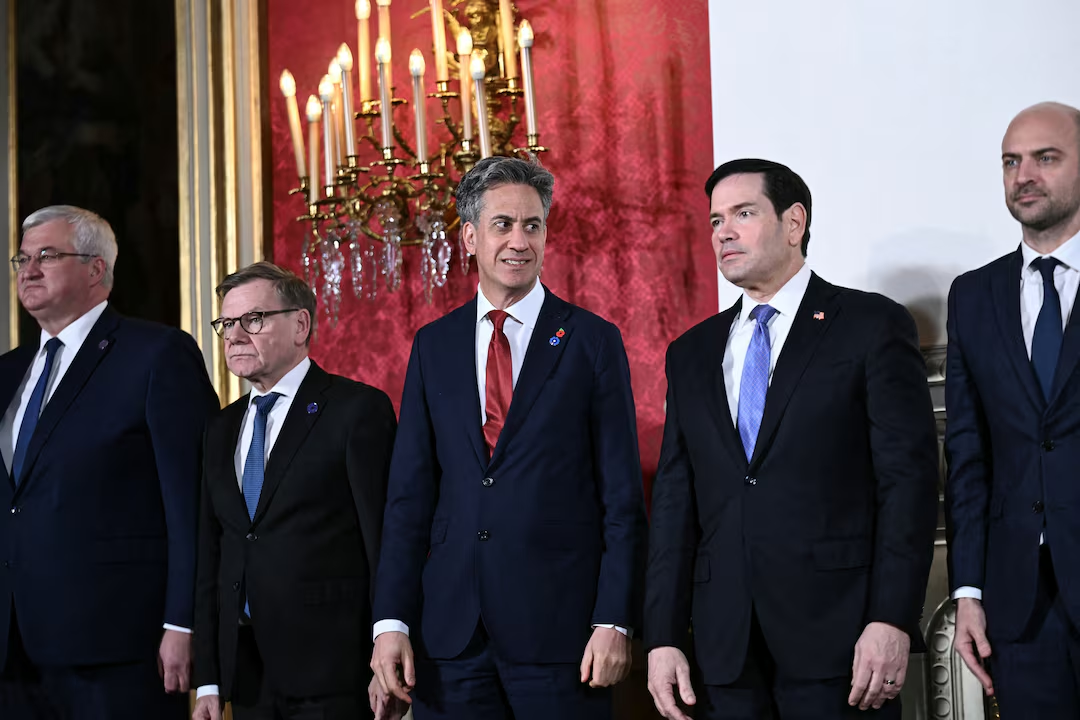
US Secretary of State Marco Rubio told G7 counterparts that Washington would keep imposing severe economic costs on Iran while avoiding, for now, a choice between renewed major combat and accepting Tehran's conditions. He argued that existing sanctions were already constraining Iranian activity.
Rubio said the pressure limited Tehran's ability to finance allied armed groups and regional operations. Speaking separately in Paris, he added that sanctions and the naval blockade were working well enough that President Donald Trump did not need to order another large military campaign.
The administration still says it is open to a genuine agreement, but Rubio described Iran's conditions as unacceptable. That formulation preserves a diplomatic exit while making clear that Washington expects economic pressure, rather than immediate reciprocal concessions, to alter Tehran's position.
Trump had delayed new strikes after appeals from regional governments, including Qatar. Prime Minister Sheikh Mohammed bin Abdulrahman Al Thani then made an unscheduled appearance at the G7 gathering and expressed cautious optimism that mediation could still produce a solution.
The US debate is not entirely settled. Rubio, Treasury Secretary Scott Bessent and White House chief of staff Stephen Miller favour continuing heavy pressure, while Vice President JD Vance has argued more strongly for an agreement after Republican losses in the midterm elections.
Economic coercion also carries costs outside Iran. The blockade and instability around the Strait of Hormuz affect shipping, energy prices and allied economies, so European and Gulf governments will evaluate the strategy by whether it creates leverage without triggering another escalation.
Rubio's position turns time into the central instrument: sanctions are expected to weaken Tehran while military restraint limits immediate risk. The test is whether Qatar can convert that interval into negotiable terms before maritime incidents, domestic politics or retaliation close the diplomatic window.