Iranian negotiators have left Qatar after discussions with mediators as a draft proposal for ending the war with the United States circulates among the parties. Another meeting remains possible, but neither government has announced agreement on sanctions, nuclear limits, navigation or the sequence of de-escalation.
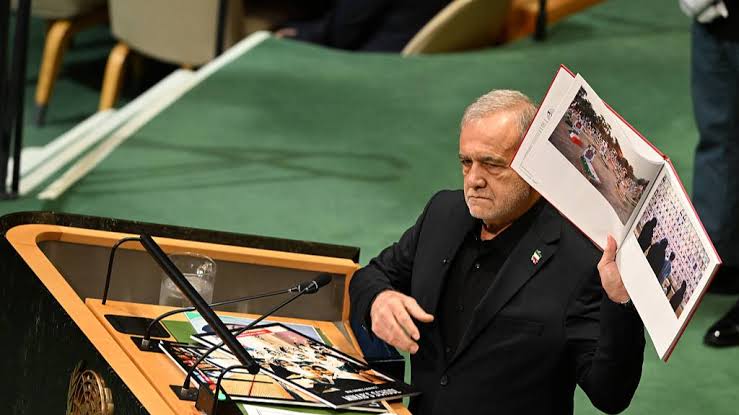
President Masud Pezeshkian said Supreme Leader Mojtaba Khamenei had authorised his government to pursue negotiations with Washington. That approval gives the civilian administration essential political cover, because any compromise must survive scrutiny from security institutions and constituencies that reject concessions under military pressure.
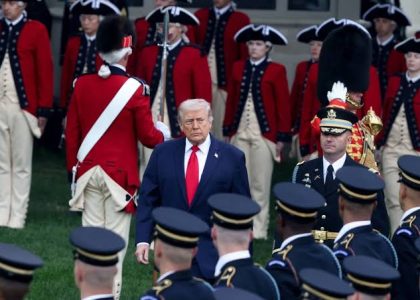
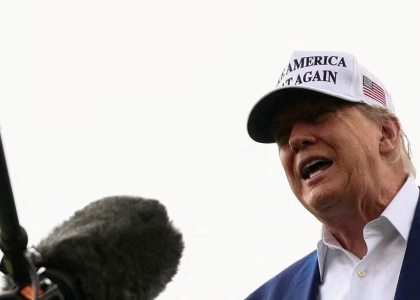
Donald Trump simultaneously said Iran wanted a deal and threatened to resume air strikes, telling supporters that Tehran might again receive the hammer. The combination of diplomatic encouragement and coercive language is intended to preserve leverage, but it also makes Iranian negotiators vulnerable to accusations of bargaining under threat.
Qatar's role is to convert indirect messages into a text both sides can evaluate. Mediators must address immediate military risks while linking them to the larger disputes: Iran's nuclear programme, American sanctions, frozen assets, port restrictions and security around the Strait of Hormuz.
The parties disagree over sequence as much as substance. Tehran seeks economic and security steps before formal negotiations, whereas Washington wants nuclear issues included from the beginning. A workable draft would therefore require reciprocal stages, verification and a mechanism for responding to alleged violations without returning automatically to war.
Pezeshkian's authority does not guarantee that Iran's armed institutions accept every term, just as Trump's interest in a deal does not bind Congress or regional allies. Israel, Gulf states, Hezbollah and the Houthis all affect the security environment and could complicate implementation through independent actions.
The circulating proposal matters because it creates a common document rather than another exchange of public demands. Its credibility will be measured by whether negotiators reconvene, whether strikes pause and whether both governments disclose compatible next steps. Until then, diplomacy remains active but structurally fragile.