The United States has opened a new front in its sanctions programme against Cuba by identifying electronics, manufacturing, marine and technology activities as sectors that can trigger penalties. The Treasury determination creates authority for future designations rather than imposing a complete ban on every company in those industries.
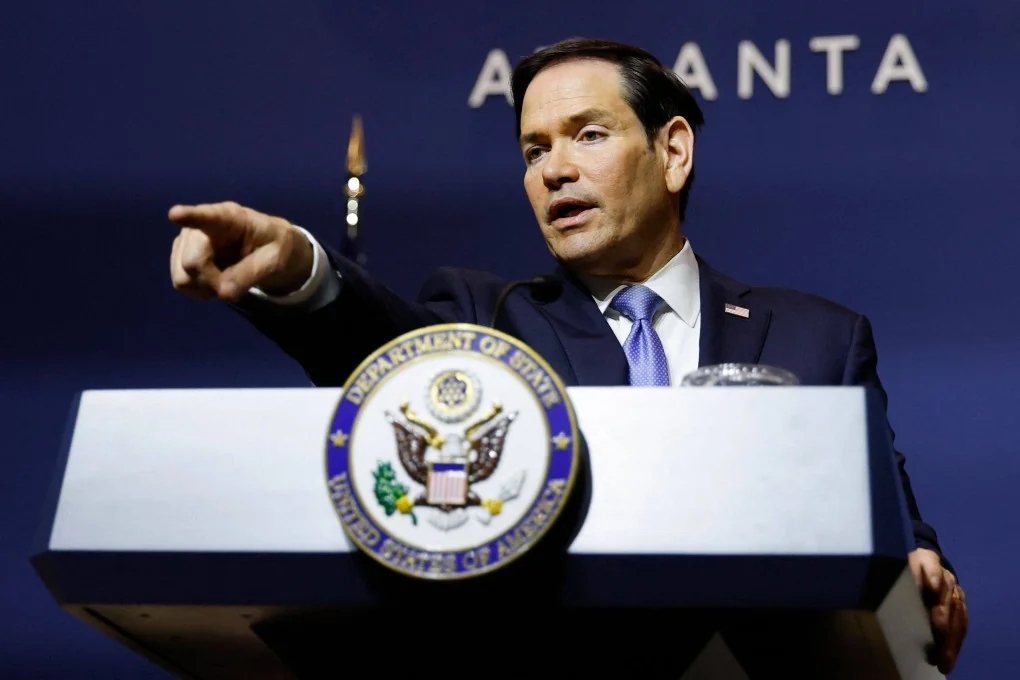
Washington simultaneously sanctioned people and entities connected to a crude-oil shipping network, state organisations and China-based suppliers serving Cuba's military. Secretary of State Marco Rubio said the measures target commercial structures that direct national resources toward security elites and politically connected insiders.
The administration also accused Cuban authorities of using opaque offshore networks and providing a platform for actors that threaten or spy on the United States. Havana has long rejected similar claims as justification for economic coercion and attributes shortages and financial isolation partly to US restrictions.
The legal framework extends beyond the traditional Cuban Assets Control Regulations. An executive order issued in May authorised sanctions on foreign people who support Cuba's government or identified sectors and on financial institutions that facilitate significant transactions involving blocked parties.
That extraterritorial reach increases risk for shipping firms, banks and technology suppliers outside Cuba. They must determine whether a transaction involves a designated entity, military end user or newly exposed sector, even when the underlying goods would otherwise be lawful in their own jurisdiction.
The practical impact will depend on subsequent enforcement. Broad sectoral authority can deter legitimate trade through uncertainty, but it may also produce little change if targeted networks reorganise through intermediaries. Cuban civilians could face higher prices and reduced access to equipment if compliance systems over-block transactions.
Washington presents the policy as pressure on elite and military finance, yet the distinction between government revenue and the wider economy is difficult on an island dominated by state enterprises. Transparency over exemptions, humanitarian channels and designation evidence will determine whether the measures remain targeted or deepen general economic hardship.