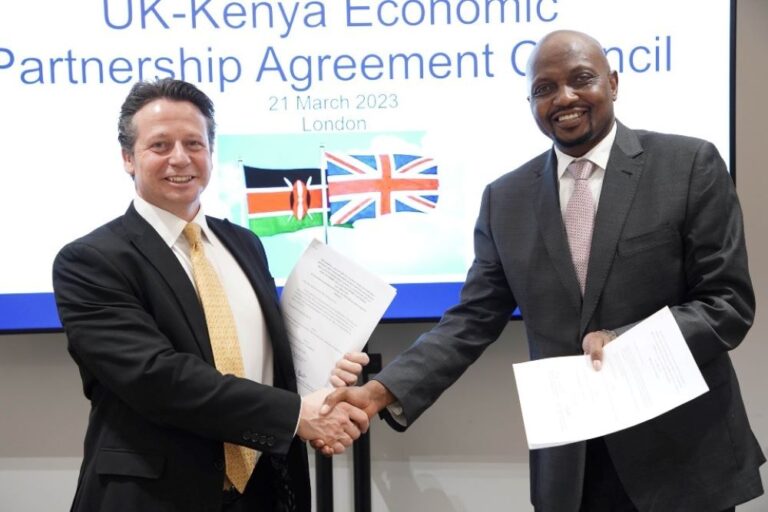
Annual trade between Kenya and the United Kingdom has exceeded £2 billion, or roughly 340 billion Kenyan shillings, for the first time. The milestone reflects expanding commercial flows under arrangements that give Kenyan businesses tariff-free access to the British market and connect trade policy to investment, infrastructure and technical assistance.
Mombasa is central to that growth because its port handles about 95 per cent of Kenya's international trade and serves inland economies across East Africa. British support delivered through TradeMark Africa has helped cargo volumes rise by nearly one-third over four years and cut the Mombasa-to-Kampala journey from about 18 days to four.
Faster transit lowers storage and financing costs for exporters, but the gains depend on more than port cranes. Customs procedures, road and rail links, border clearance and predictable digital documentation must work together if the improvements are to remain reliable when volumes increase.
The partnership is also reaching coastal industries outside the main port. Britain has invested 120 million shillings in an aquaculture hub at Mtwapa and supports fisheries communities in Kilifi, combining income generation with protection of marine habitats and local food production.
British High Commissioner Matt Baugh and his deputy Ed Barnett used a two-day programme in Mombasa to visit the port, the Swahilipot innovation hub, Milly Glass Works and Kenya's Counter Terrorism Bureau. The itinerary presented trade, youth enterprise, manufacturing and security as parts of a single regional relationship.
The two countries have cooperated on counterterrorism for more than two decades, and the United Kingdom trains Kenyan marines. That security connection matters along a coast exposed to illicit trafficking and attacks from groups operating in the wider region, but it also requires accountability so commercial objectives do not eclipse civilian priorities.
Crossing the £2 billion threshold is therefore a measure of momentum rather than completion. The durability of the partnership will depend on whether smaller Kenyan producers can use the tariff preferences, whether logistics gains reach inland markets and whether investment creates local capacity instead of concentrating value in a few large firms.