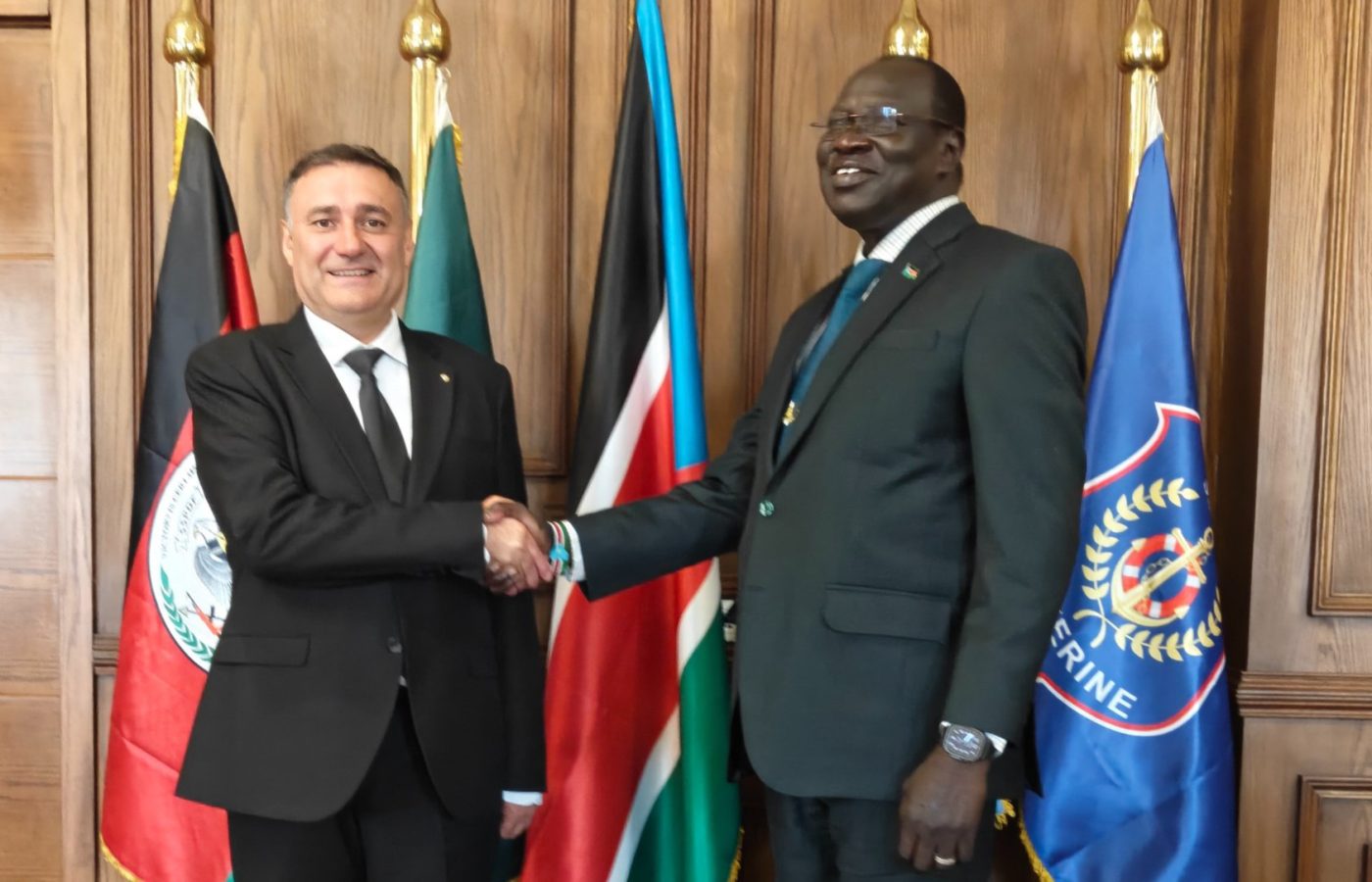
The defence ministries of Russia and South Sudan signed a military cooperation agreement on the sidelines of the third Russia–Africa summit in Moscow. The announcement establishes a formal bilateral channel, but the published material does not describe its financial value, duration or operational commitments.
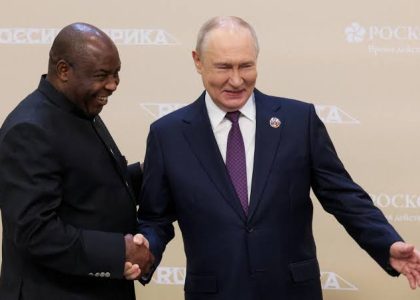
The accord appeared on a Kremlin list of 150 bilateral and multilateral documents concluded during the October 28–29 gathering. Delegations from about 50 African countries attended, giving Moscow a platform to present defence, economic and technological relationships as part of a broader continental partnership.
Neither side disclosed whether the agreement covers weapons purchases, military training, intelligence exchanges, maintenance, exercises or access to facilities. That absence matters: signing a framework does not by itself confirm that equipment will move, personnel will deploy or Russian forces will obtain a presence in South Sudan.
The summit also adopted a declaration, a separate declaration on civilian uses of artificial intelligence and an action plan for the Russia–Africa Partnership Forum through 2029. Organisers divided the business programme into sovereignty, economic order, human capital, and technology and innovation tracks.
For South Sudan, the defence document accompanies an effort to widen relations beyond traditional partners. Juba and Moscow also created an intergovernmental commission on trade, economic, scientific and technical cooperation, intended to identify investments and coordinate projects in priority sectors.
Russia, meanwhile, can count the agreement as evidence that sanctions and the war in Ukraine have not ended its diplomatic reach in Africa. Yet the number of signed documents says little about execution, especially where budgets, institutional capacity and political instability can delay ambitious frameworks.
The agreement's significance will therefore depend on the next layer of disclosure. Implementing protocols, named programmes, parliamentary or budget approvals, deliveries and training schedules would demonstrate substance. Until those appear, the verified development is a new legal and political framework, not an operational military alliance.