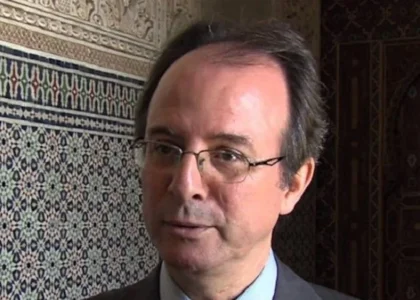
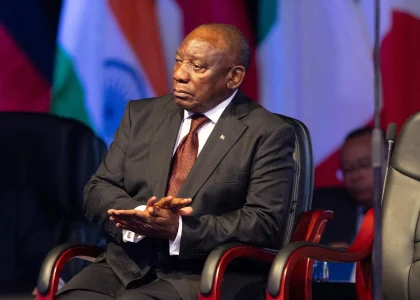
Vladimir Putin hosted dozens of African leaders in Moscow for a two-day Russia-Africa summit intended to expand the Kremlin's political, economic and security reach. Forty-eight countries attended, roughly 20 of them represented by heads of state or government.
Putin framed the gathering as evidence that Western dominance is ending and a multipolar system is becoming irreversible. He argued that African states should have greater influence in decisions by the International Monetary Fund and World Bank, presenting Moscow as an advocate for institutional reform.
Food and commodity ties formed the practical centre of his offer. Russia already supplies grain and fertiliser to more than 40 African countries and says it is prepared to expand deliveries, a message aimed at governments managing food prices, agricultural production and import dependence.
Africa's strategic value also lies in numbers and demographics. Its 54 states form the largest voting bloc at the United Nations, while the continent's population of nearly 1.6 billion gives its governments growing leverage in competition among Russia, China, Europe and the United States.
Security relationships give Moscow influence beyond trade. Military governments in Mali, Burkina Faso and Niger severed ties with longstanding Western partners and first welcomed Wagner personnel, later replaced by the Africa Corps under direct Russian Defence Ministry command.
Recent deployments illustrate that role. Russia's Africa Corps helped Niger's military authorities suppress a troop mutiny in August. Estimates place 1,700 to 2,000 Russian contractors across the three junta-led Sahel states, with about 1,000 more in the Central African Republic.
The summit is therefore both diplomatic theatre and a platform for durable bargains. African governments gain options for food, arms and political support, while Moscow seeks votes, markets and strategic access. The balance depends on whether promised cooperation produces benefits beyond elite security partnerships.