Foreign ministers from the Group of 20 ended two days of meetings in Atlanta without agreement on several major security and economic disputes. Instead of a joint communiqué, the United States planned a chair's statement summarising talks that could not produce common language.
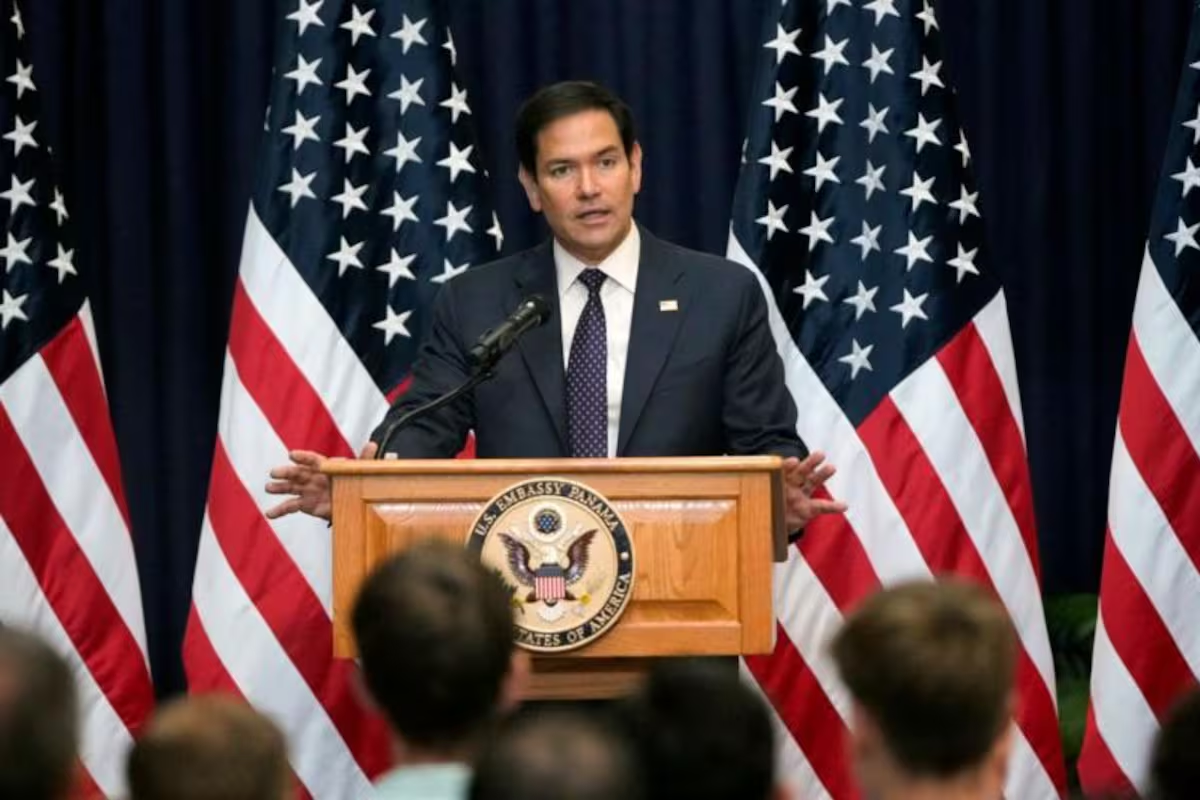
Russia's war against Ukraine was the most visible obstacle. European delegations objected to Russian Foreign Minister Sergey Lavrov's participation and threatened to boycott the traditional group photograph, prompting US host Marco Rubio to cancel the image before the formal sessions began.
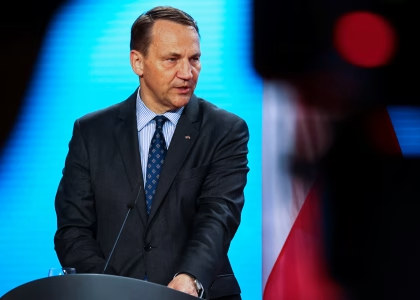
Polish Foreign Minister Radosław Sikorski said the outcome was unsurprising because parties to active wars were sitting around the same table. Diplomats nevertheless described the discussions as cordial and said governments would keep working toward the December leaders' summit in Florida.
The disagreements extended beyond Ukraine. Participants remained divided over the US-Israeli war with Iran, American tariffs, Chinese actions in the South China Sea and Washington's decision not to invite G20 member South Africa. Each dispute carries consequences for energy, shipping and trade.
Rubio held a separate Quad meeting with Australia, India and Japan focused on supply chains and freedom of navigation in the Strait of Hormuz, the Red Sea, Black Sea and South China Sea. He argued that maritime and food security are inseparable from economic security.
Russia's presence remained contentious as Moscow rejected concessions on what it calls its legitimate security interests. At the same time, Washington approved a proposed $2.1 billion sale of Patriot interceptors for Ukraine, a decision that underscored the gap between diplomatic contact and continuing military support.
The chair's statement can preserve a record of discussion, but it cannot conceal the institutional problem. The G20 works by consensus, and its major members are now direct adversaries across several conflicts. The leaders' summit will test whether limited economic cooperation can survive without political agreement.