Democrats won control of both chambers of Congress in a midterm election that reached far beyond competitive districts and into territory Republicans had dominated for decades. The result reflected unusually strong turnout, gains among independents and a decision to contest races the party had previously treated as unwinnable.
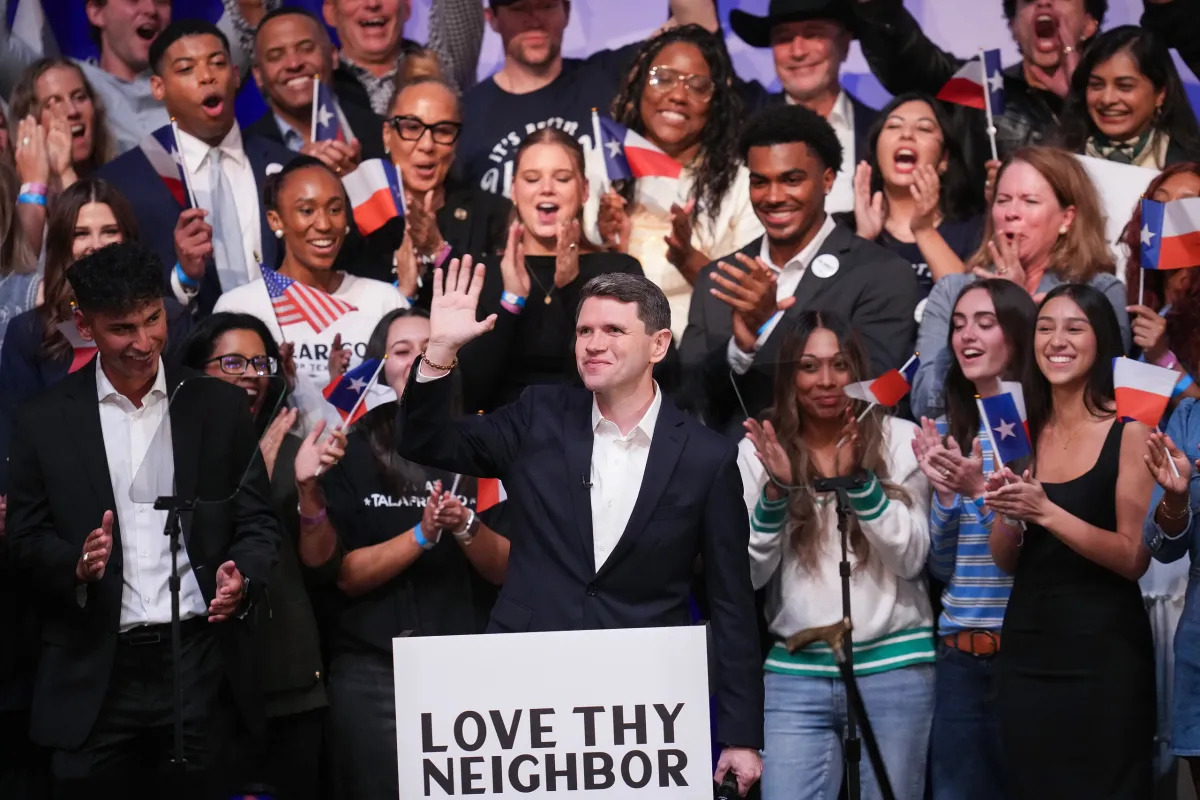
In Texas, James Talarico defeated Ken Paxton to become the state's first Democratic senator-elect in 38 years. Annie Andrews won a South Carolina Senate seat for Democrats for the first time this century, Sherrod Brown returned in Ohio and Adam Hamilton captured a Kansas seat his party had not won since 1932.
Economic frustration was the most consistent force across the electorate. Nearly nine in ten voters described the cost of living as a major concern, about two-thirds blamed President Donald Trump for economic conditions and roughly three-quarters said they were angry or dissatisfied with the direction of the country.
Concerns about corruption reinforced the economic vote, particularly where Republican candidates were closely associated with Trump. Several of his preferred candidates lost, including Michael Whatley, while parts of the coalition that elected him in 2024 weakened among younger people, Latino voters and Black men.
Latino support for Republicans fell to roughly one-third from 46 per cent in 2024. Democrats also recorded important representation gains: Gina Hinojosa became Texas's first Latina governor, Xavier Becerra became California's first elected Latino governor and 22-year-old Pia Dandiya won a high-profile race in Florida.
The victories give Democrats legislative control but not executive power. Trump retains the veto and broad administrative authority, so action on prices, housing, health care or oversight will require negotiation, veto-proof coalitions or carefully chosen investigations that do not substitute spectacle for policy.
Trump said he would accept the results and work with Democrats, a promise that will be tested once Congress organises. The election delivered a clear rejection of current conditions, but it did not settle how divided institutions should respond. Democrats now have to convert a protest vote into credible economic and governing choices.