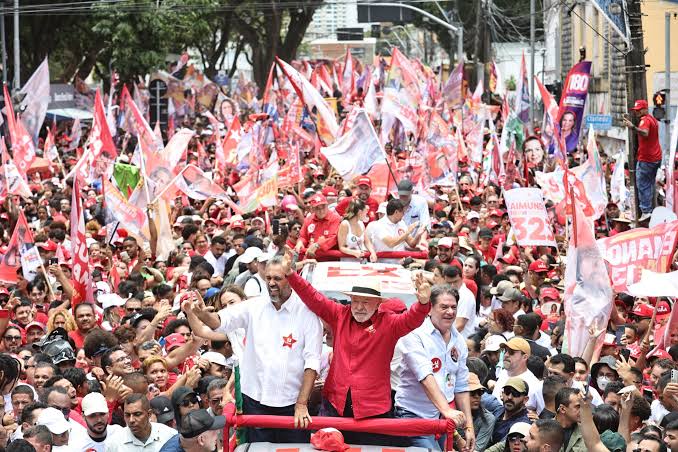
Brazil's next president will inherit an unusually large number of vacancies across institutions that shape monetary policy, financial regulation and constitutional interpretation. The backlog raises the stakes of the contest between President Luiz Inácio Lula da Silva and Senator Flávio Bolsonaro beyond the policies each candidate has presented.
A winner able to fill several posts could influence the Supreme Court, central bank and economic regulators during the next term. Such appointments normally occur gradually across administrations, but delayed nominations and confirmations have concentrated opportunities that may give one presidency a wider institutional footprint.
The vacancies also reveal a shift in the balance between Congress and the executive. A predominantly right-wing Senate has used confirmation hearings and delays as leverage over Lula, reducing the president's freedom to place preferred nominees in bodies intended to operate with technical or judicial independence.
In April, senators rejected Lula's Supreme Court nominee, Solicitor General Jorge Messias, an exceptional defeat for a sitting president. The seat has now remained empty for nearly a year, the longest Supreme Court vacancy since Brazil returned to democracy in the 1980s.
Other gaps affect economic governance. The securities regulator CVM has carried board vacancies since late 2024. Antitrust authority Cade lacks its president and two board members, leaving it close to minimum quorum and delaying reviews of corporate mergers that require timely decisions.
The central bank also has posts that will come under the next administration's appointment calendar. Because its decisions affect interest rates, inflation expectations and market confidence, the combination of several nominations could influence the direction and perceived autonomy of monetary policy.
Political scientist Claudio Couto of Fundação Getulio Vargas called the backlog deeply problematic. He warned that concentrating appointments in one administration can politicise agencies designed to remain nonpartisan, even when each individual nominee passes the formal constitutional confirmation process.
The election outcome will therefore determine both government policy and the personnel architecture of the state. Congress retains the ability to approve, delay or reject nominations, preventing automatic presidential control. The next institutional struggle will turn on whether vacancies are filled through negotiated competence or partisan consolidation.