A killing in Salvador has crystallised the security crisis confronting President Luiz Inácio Lula da Silva before Brazil's October election. Evilásio Santos da Silveira Júnior, 33, left to buy groceries and later died from a gunshot wound in an abandoned favela house.
Police said Júnior was caught in a shootout between rival criminal factions and suspected him of involvement. His family rejected that account, saying he had no gang ties and was randomly killed during an unprovoked operation by state forces.
Bahia contains five of Brazil's ten deadliest cities, figures from the Brazilian Public Security Forum show. Salvador is the country's deadliest state capital, with nearly 53 violent deaths per 100,000 inhabitants in the most recent 2024 data.
The political cost is concentrated on Lula because his Workers' Party has governed Bahia and overseen its police since 2006. Some voters also blame national trafficking groups expanding into the state, including the Red Command and the First Capital Command network.
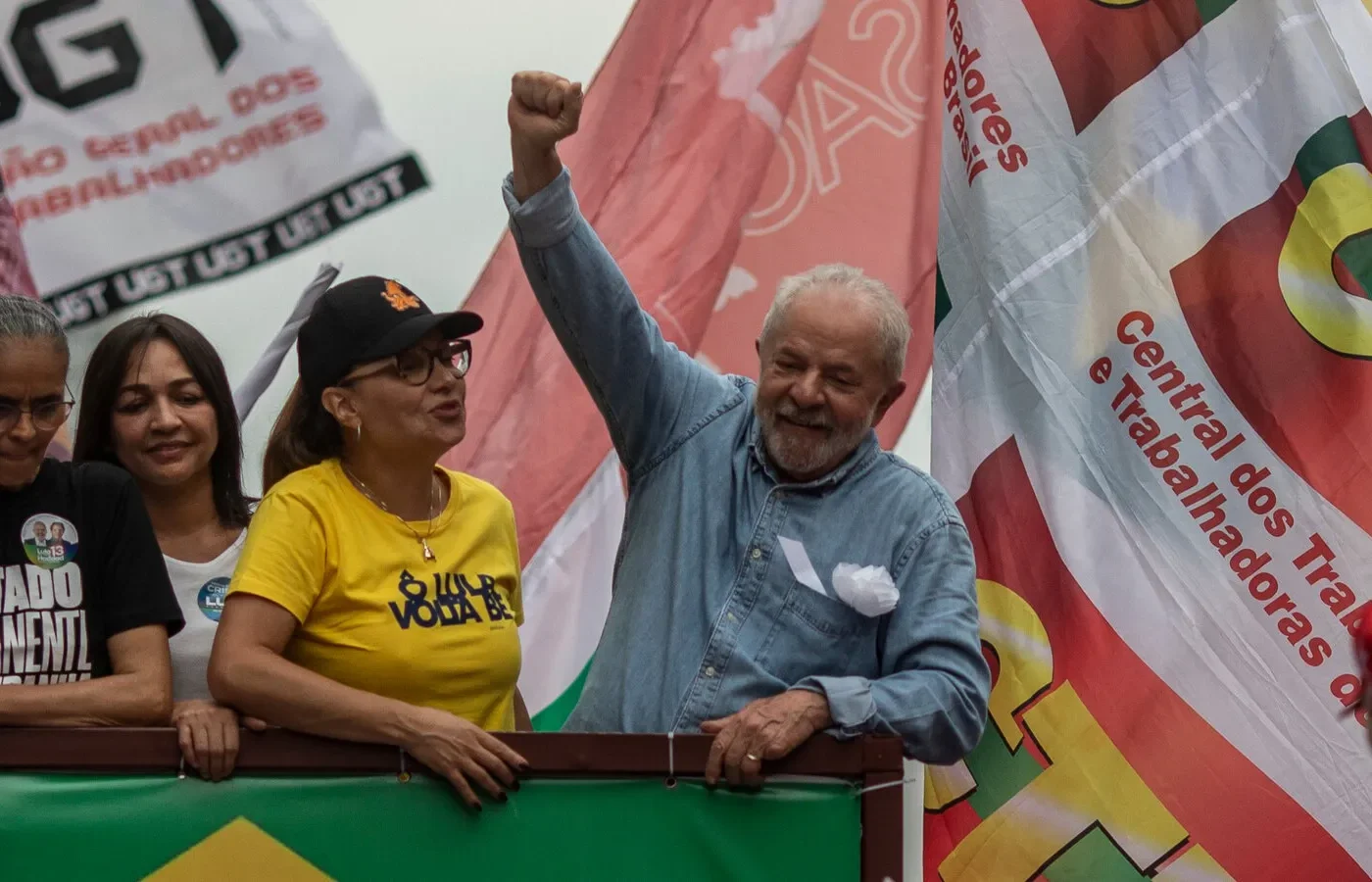
Lula won 72% of Bahia's vote in the 2022 runoff and collected more than six million ballots there, against 2.3 million for Jair Bolsonaro. That margin was essential to his narrow national victory of 2.1 million votes.
The president promises a public security ministry and more federal resources if reelected, while Senator Flávio Bolsonaro campaigns on tougher policing and large prisons inspired by El Salvador. Both positions compete with daily concern about crime and abusive enforcement.
Lula's campaign still relies on the loyalty created by Bolsa Família and other social programmes, but turnout may decide whether that support becomes votes. Residents interviewed in Salvador expressed gratitude for welfare while demanding credible plans against violence before voting on October 4.