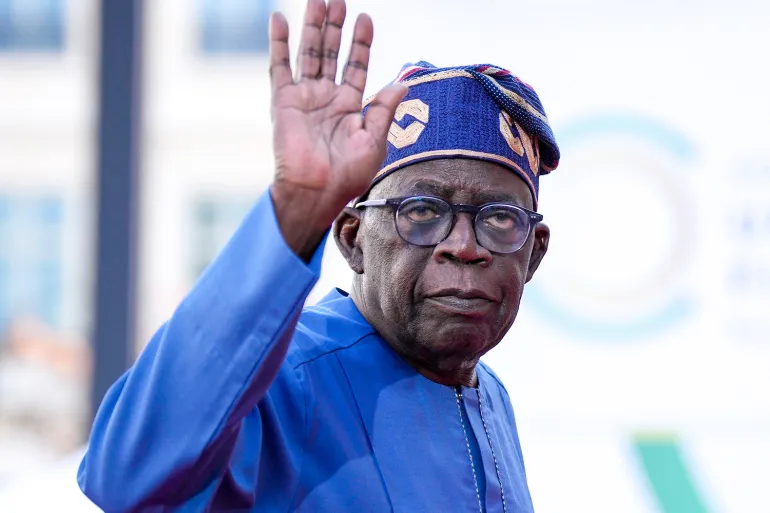
Nigerian President Bola Tinubu has approved salary increases of between 30% and 80% for approximately 250,000 members of the armed forces. The government presented the measure as an effort to strengthen morale and troop welfare while the military confronts several persistent security crises.
The revised pay structure will take effect on September 1. It will raise the annual military wage bill from 660 billion naira to 924 billion naira, an increase of 264 billion naira.
The largest adjustment will go to personnel from private through staff sergeant, whose salaries will rise by 80%. Ranks from warrant officer through colonel will receive 50%, while officers above colonel, including generals, will receive a 30% increase.
The decision comes as security forces fight Boko Haram and Islamic State West Africa Province insurgents in the northeast, armed bandit groups in the northwest and widespread kidnapping across several parts of the country. These simultaneous operations have placed sustained demands on personnel and military capacity.
Tinubu described the pay review as recognition of the sacrifices made by service members. He also linked improved welfare to a wider commitment to modernise the armed forces through better equipment and technology.
Senator Abdulaziz Yar'Adua, chairman of the Senate Committee on Army, called the increase a timely boost to morale. He said the new structure could reinforce the fighting spirit of troops deployed against insecurity across Nigeria.
Senator Ahmad Lawan, chairman of the Senate Committee on Defence, characterised the additional spending as a strategic investment in national security. He urged the armed forces to respond with greater professionalism and closer cooperation among the Army, Navy and Air Force.
The tiered increases concentrate the largest percentage gain among junior personnel, many of whom serve on the front line. The policy now carries both a fiscal and operational test: Abuja must absorb the larger wage bill while translating improved compensation into stronger retention, coordination and effectiveness against violent threats.