Nigeria's government and Boko Haram have reportedly observed a secret ceasefire for three months, creating a rare pause in attacks around communities in the northeast. The arrangement has not been publicly confirmed by the authorities and remains based on information from people connected to the armed group.
The reported truce began in June after negotiations secured the release of 360 civilians abducted from Ngoshe, near the Mandara Mountains and the border with Cameroon. The villagers had been taken in March during a Boko Haram assault on a nearby Nigerian army base.
Three people with contacts among Boko Haram members, including senior figures, independently described the ceasefire as active since June. Two said attacks had stopped around Ngoshe, an area repeatedly targeted by the group, and the arrangement could be extended for another 40 days.
The negotiations reportedly included a government payment of five billion naira, equivalent to about $3.7 million. Nigerian authorities denied paying a ransom, government and military spokespeople did not answer verification requests, and the ceasefire and payment could not be independently confirmed.
Any reduction in violence is geographically and organizationally limited. The reported agreement does not include Islamic State West Africa Province, a rival armed group operating in northeastern Nigeria and the Lake Chad region, while fighting between Boko Haram and ISWAP has continued.
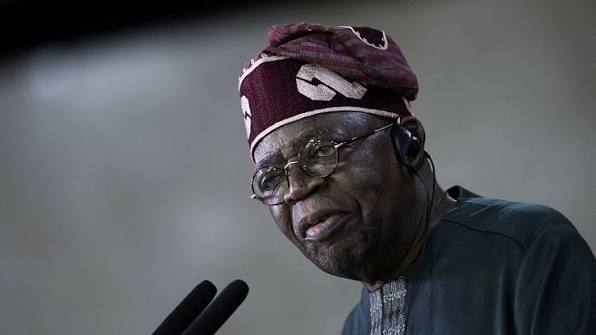
The covert contacts contrast with Nigeria's public rejection of negotiations with Boko Haram, which the authorities designate as a terrorist organization. President Bola Tinubu has emphasized military expansion and in July announced plans to recruit 30,000 personnel and establish four new army divisions.
Previous attempts at dialogue produced ceasefire arrangements that later collapsed. Conflict researcher Malik Samuel cautioned that the new pause could be tactical rather than the start of a durable peace process, giving both parties temporary advantages without changing the trajectory of the war.
People familiar with the arrangement also warned that Boko Haram could use the pause to move equipment into the Mandara Mountains. The group has conducted attacks and kidnappings in Nigeria and neighboring Lake Chad states since 2009, and its fragmentation has left multiple armed actors outside any single truce.