The Bank of Japan kept its short-term interest rate at 1 percent but signaled that another increase could come as early as September. For the first time, its quarterly outlook explicitly warned that underlying inflation could move above the bank's 2 percent target.
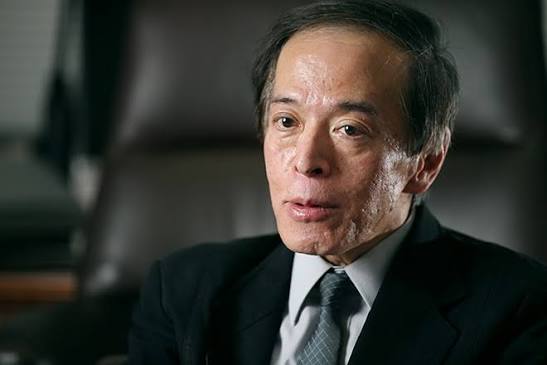
Governor Kazuo Ueda said policymakers would discuss future decisions with greater attention to upside price risks. He argued that delaying necessary action when inflation is close to overshooting could allow the risk to materialize and ultimately damage the economy.
The decision followed a two-day meeting and came one month after the central bank raised borrowing costs to their highest level in 31 years. Board member Hajime Takata was the only dissenter and proposed an immediate increase to 1.25 percent.
The new outlook identified strong demand for artificial-intelligence technology, exchange-rate volatility and developments in the Middle East as inflationary factors. Rising chip prices and a weak yen can increase costs even when risks to overall economic growth remain balanced.
Japan's government had intervened in the New York currency market to buy yen and sell dollars before the central-bank decision. The operation reflected concern that the currency's decline was lifting import prices and imposing additional costs on households and retailers.
The policy announcement lifted the two-year Japanese government bond yield. The yen initially showed little reaction, then strengthened sharply during European trading as market participants watched for another possible official intervention.
The yen had fallen to a 40-year low after a slow sequence of rate increases, while the government's previous record intervention of 73 billion dollars between late April and early May did not reverse the broader decline. Most market economists now expect the policy rate to reach 1.25 percent by year-end.
Ueda's emphasis on medium- and long-term inflation expectations strengthens the case for further tightening, but monetary policy is only one influence on the currency. Fiscal policy, energy costs and international capital flows will determine whether a hawkish central bank can produce a durable recovery in the yen.