China objected to a U.S. Federal Communications Commission decision to add foreign-made power inverters and advanced robotic devices to its Covered List. The designation creates a regulatory barrier for new products in those categories by preventing them from obtaining the authorization required to enter the U.S. market.
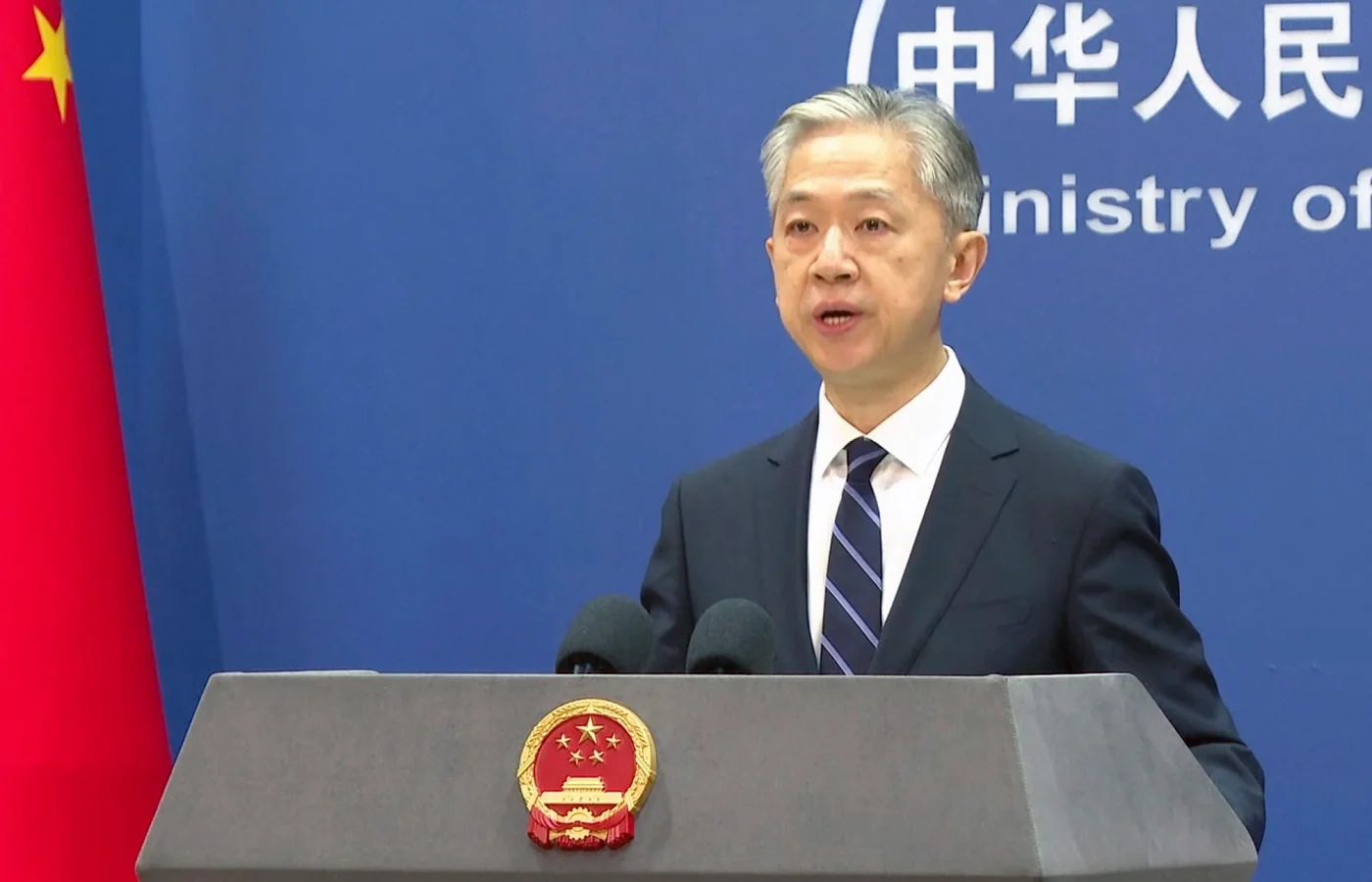
The Chinese Ministry of Commerce called the measure discriminatory and directed against Chinese companies and products. It demanded that Washington revoke the additions and end the use of administrative restrictions against ordinary commercial activity.
Power inverters are central to solar generation, energy storage and other systems that convert and manage electricity. Advanced robotic devices also sit at the intersection of industrial automation, logistics and emerging technology, giving the FCC action consequences beyond the communications equipment traditionally associated with the regulator.
Beijing said the new restrictions followed repeated Chinese objections and an effort to keep the dispute contained. The ministry argued that the successive U.S. measures damage legitimate trade interests and weaken the stability of bilateral economic relations.
The Chinese response also placed the decision inside a wider supply-chain dispute. It said Washington was stretching the definition of national security, interfering with normal transactions and disregarding objections raised by industries in both countries.
The Covered List mechanism can exclude equipment viewed by U.S. authorities as presenting national-security risks. Its expansion into energy-control hardware and robotics widens the range of technology sectors in which access to the U.S. market can be decided through security regulation rather than tariffs alone.
China warned that it would take firm countermeasures if the United States maintained the policy, without specifying their form. The confrontation now links market authorization, industrial policy and supply-chain security, increasing the risk that restrictions in one technology category will produce reciprocal controls in others.