China has urged India to help maintain peace and stability along their disputed border after new stand-offs threatened a recent improvement in bilateral relations. The appeal shows how quickly progress in diplomacy can be tested by events on a frontier that remains unsettled.
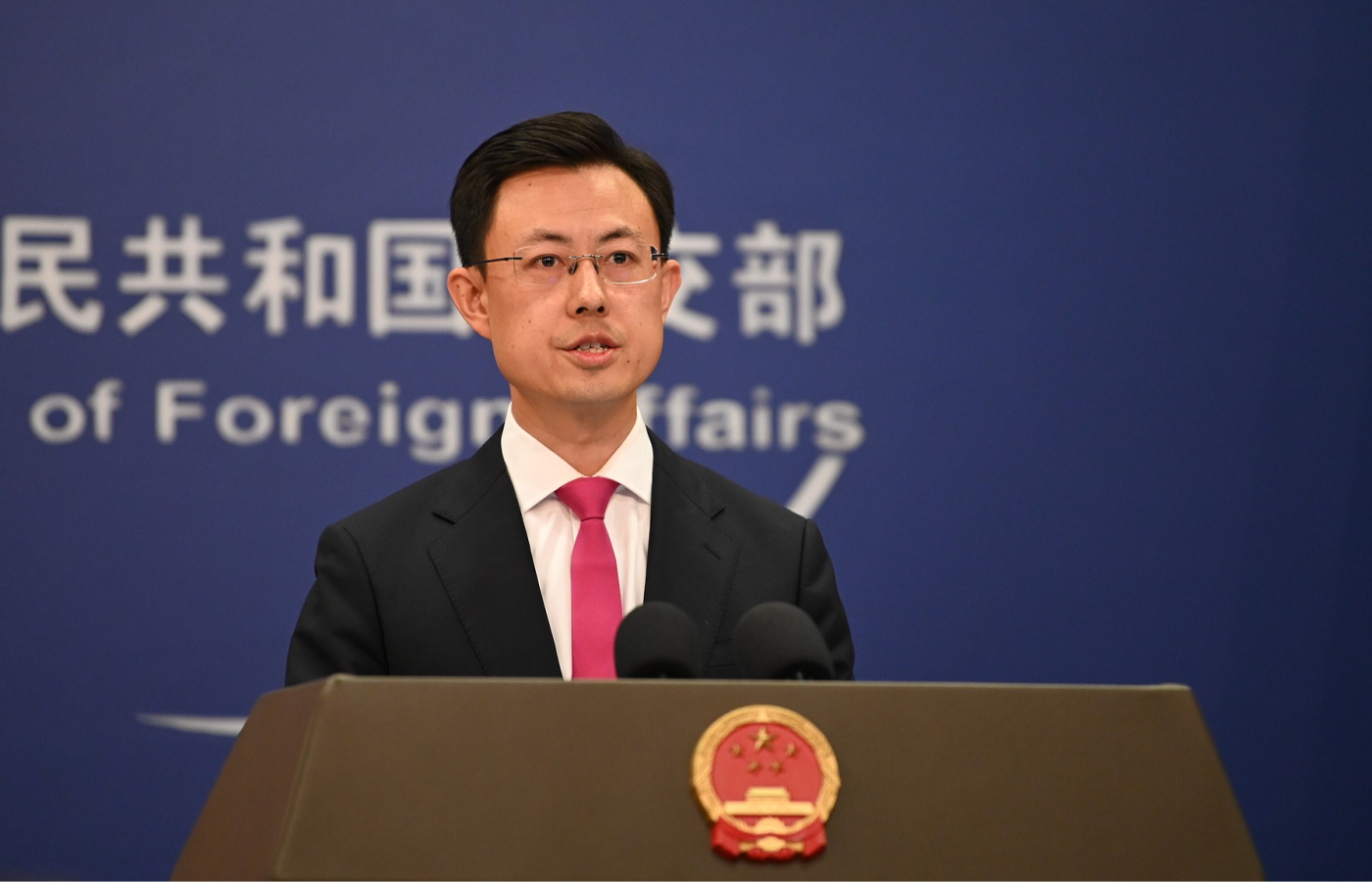
Foreign Ministry spokesperson Guo Jiakun said Beijing hoped India would work “in the same direction” and jointly implement understandings reached by the two governments. He also insisted that China strictly observes the relevant agreements governing conduct in border areas.
The language places responsibility on both sides without disclosing the location, scale or immediate cause of the new confrontations. It signals that Beijing wants the incidents handled through existing military and diplomatic mechanisms rather than allowed to dominate the wider relationship.
Border peace is the foundation for any lasting thaw. Even when trade, high-level meetings or multilateral cooperation improve, patrol encounters and competing territorial claims can rapidly restore mistrust and domestic political pressure in both countries.
China's request therefore carries a preventive message. Implementing earlier agreements means controlling frontline forces, maintaining communications and avoiding actions that either government could interpret as an attempt to alter conditions on the ground.
For India, cooperation must be balanced against its insistence that stability cannot depend on accepting Chinese claims. New Delhi is likely to judge the appeal by whether China's conduct matches its public assurance that existing rules are being respected.
The immediate objective is de-escalation, not a final border settlement. If local stand-offs are contained, both governments can protect the broader recovery in relations; if they persist, the frontier could again become the decisive obstacle to political and economic engagement.