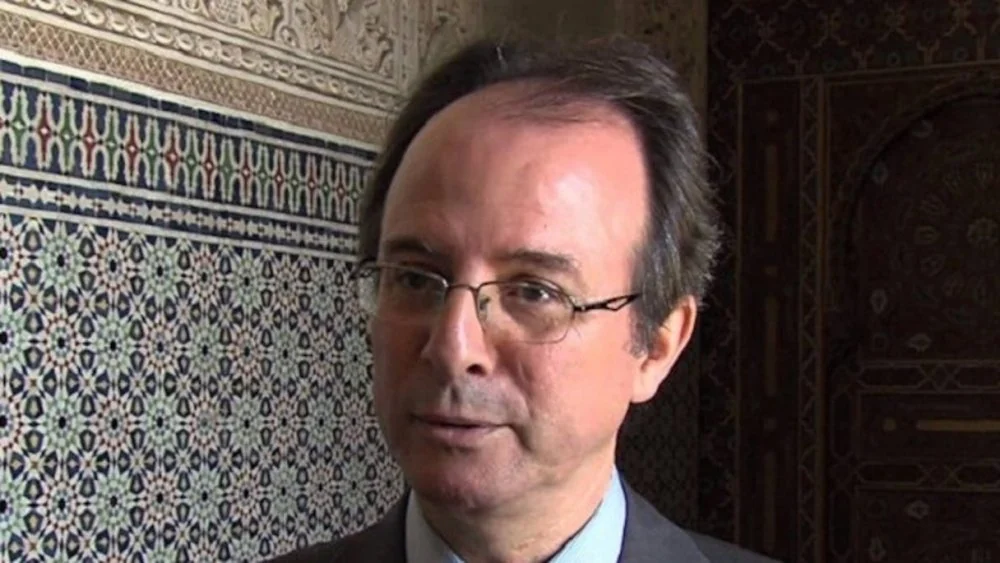
Morocco is exploring a regional role against modern slavery and human trafficking after its human-rights chief Mohammed El Habib Belkouch met former British prime minister Theresa May. Their discussion focused on prevention, institutional responsibility and the exchange of expertise.
May chairs the Global Commission on Modern Slavery and Human Trafficking, which brings together governments, businesses, civil society, experts and survivors. She argued that Morocco could help generate regional momentum and indicated that the commission was ready to pursue bilateral cooperation.
The proposed approach reaches beyond arrests and prosecutions. Early risk identification must cover recruitment, employment and complex commercial supply chains where coercion can remain hidden. Business accountability therefore becomes part of anti-trafficking policy, not a separate corporate matter.
Technology creates both vulnerability and investigative tools. Criminal networks use deceptive online recruitment and digital platforms, while investigators can analyse online activity, financial flows and virtual assets to identify victims, map networks and trace illicit proceeds.
Conflict, climate shocks and humanitarian crises increase exposure, especially among children and displaced or economically insecure adults. Effective policy consequently requires victim-centred protection, cross-border cooperation and participation by people with lived experience when designing safeguards.
Morocco's preparations to co-host the 2030 World Cup make implementation more urgent. Large construction programmes, procurement chains and sudden labour demand can magnify exploitation risks unless worker protections, contracting rules and oversight are embedded from the planning stage.
The meeting positions Morocco to connect its United Nations reporting and business-and-human-rights work with practical regional action. The test will be whether cooperation produces measurable prevention, stronger corporate due diligence and reliable protection for victims rather than only diplomatic commitments.