A new U.S. model for bilateral health assistance is meeting resistance in several African countries over demands involving health data, regulatory authority and critical minerals. Washington has signed health memorandums with more than 30 countries since December 2025, with a combined stated value of 20 billion dollars.
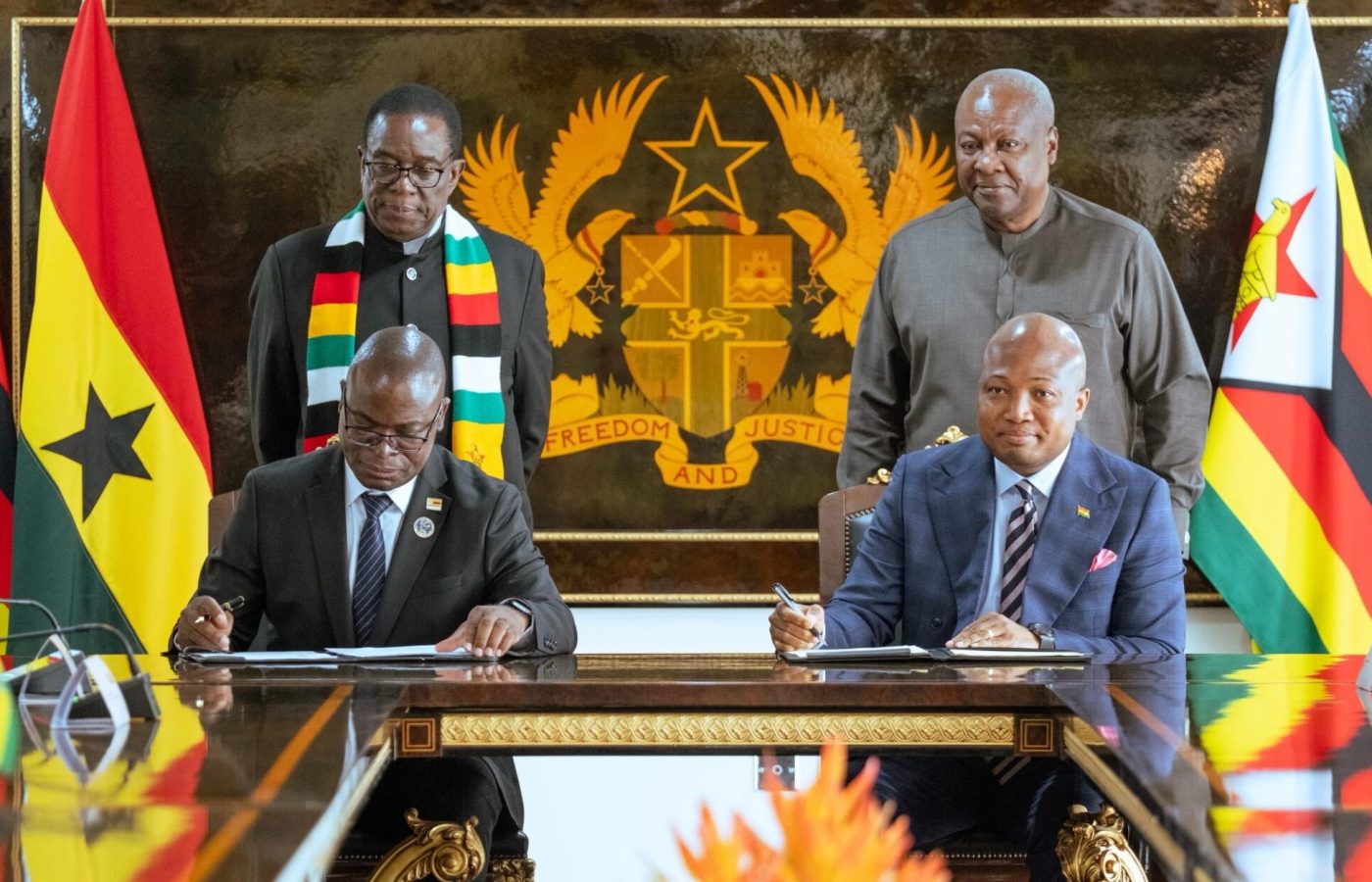
Ghana declined to sign a five-year agreement after objecting to provisions that would provide long-term access to citizens' health records, metadata, dashboards and data systems. Ghanaian data-protection officials also raised concerns that multiple U.S. entities could gain access without prior national approval.
The proposed Ghana terms included access extending for 25 years, possible real-time integration of the GhanaCard biometric database and entry of U.S.-approved medicines without a separate review by Ghana's regulator. Ghanaian officials argued that privacy law, cybersecurity rules and the constitution limited their ability to accept those conditions.
Kenya signed a framework under which the United States pledged about 1.6 billion dollars over five years and Kenya would contribute roughly 850 million. Litigation followed over data-transfer and implementation terms; a suspension was later lifted on appeal, with a final judicial decision expected at the end of October.
The Kenyan dispute intensified around a 50-bed isolation facility at Laikipia air base. Seven American aid workers entered a 21-day quarantine there after returning from Ebola response work, despite local protests over the risk of bringing the virus into a country with no recorded cases. Three people were killed when demonstrations were dispersed.
Zimbabwe rejected a proposed 300-million-dollar arrangement after objecting to extended access to biological data without guaranteed access to resulting vaccines or treatments. Zambia delayed a separate agreement worth up to 2 billion dollars amid disputes over data terms and an effort to connect health financing with access to copper, cobalt and lithium.
The agreements have also raised questions about national regulators and courts. Some proposed terms would rely on U.S. drug approvals, apply U.S. law to disputes or grant immunity to American personnel, potentially narrowing the authority of African institutions over medicines, privacy and legal redress.
African officials and civil-society organizations are calling for partnerships that preserve control over data, regulation and mineral policy. The dispute does not reject health cooperation itself; it centers on whether financing terms transfer durable strategic assets and legal powers in exchange for aid whose funding can remain conditional.