Indonesia has taken delivery of its first Russian crude oil shipment under an arrangement that could cover up to 150 million barrels, a move aimed at strengthening national reserves as the closure of the Strait of Hormuz disrupts energy flows across Asia.
The decision reflects Jakarta's exposure to external fuel shocks. Southeast Asia's largest economy imported about 60 percent of its fuel needs last year, with roughly one fifth of those imports coming from the Middle East.
The pressure on supply has intensified since the US-Israeli war on Iran unsettled shipments from the Gulf. In that context, Indonesia has moved to diversify its oil intake and protect domestic availability rather than rely on a narrower set of routes.
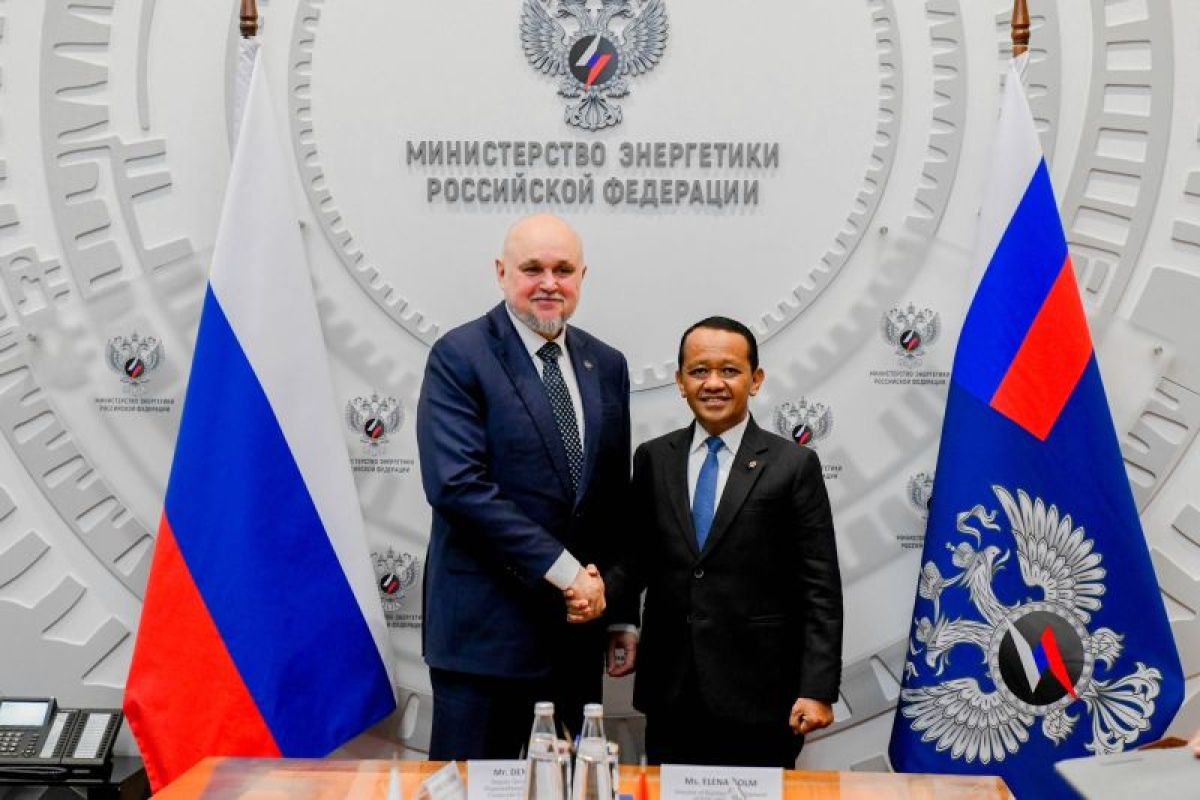
The oil arrangement with Russia was reached in April, after Indonesia and Russia agreed to expand energy security cooperation following a Moscow meeting between President Prabowo Subianto and Russian President Vladimir Putin. Energy Minister Bahlil Lahadalia said the first phase of imports had been completed and framed the purchase as a matter of national need and sovereignty.
The transaction also sits inside a sensitive sanctions environment. Purchases of Russian crude have drawn scrutiny since Moscow's 2022 invasion of Ukraine, and temporary US flexibility during the Hormuz crisis had allowed some Russian oil and petroleum product purchases in an effort to limit pressure on global prices. That waiver expired in mid-June, leaving uncertainty over whether earlier restrictions were fully restored.
Customs data compiled by Big Trade Data placed the delivered cargo at about 770,000 barrels, valued at $75 million, arriving at Indonesia's Balikpapan port on June 29 after loading at Kozmino in Russia aboard the tanker Sierra.
The procurement was handled through a state-to-state mechanism and carried out by a public service agency linked to Lemigas, the oil and gas technology research and development center under Indonesia's Indonesian Energy Ministry. That structure marks a departure from standard energy import channels, which are usually led by national oil company Pertamina.
A ministry spokesperson, Dwi Anggia, said the government was working to strengthen national energy security and treated secure public fuel supply as a priority in a highly dynamic geopolitical environment.