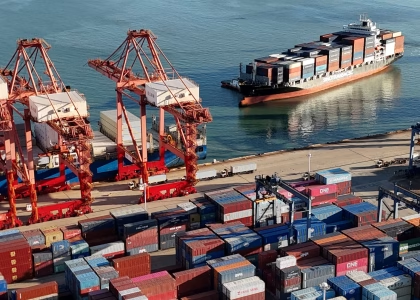
China's exports are expected to have risen 33.5 per cent from a year earlier in October, according to a poll of economists, only slightly slower than September's 36.3 per cent increase. The forecast shows external demand continuing to offset weakness in consumption and property at home.
Imports are projected to have grown 32 per cent after a 31 per cent rise in September. The median forecast places the October trade surplus at $125.8 billion, below the previous month's $133.53 billion but sufficient to push the ten-month total above $1 trillion.
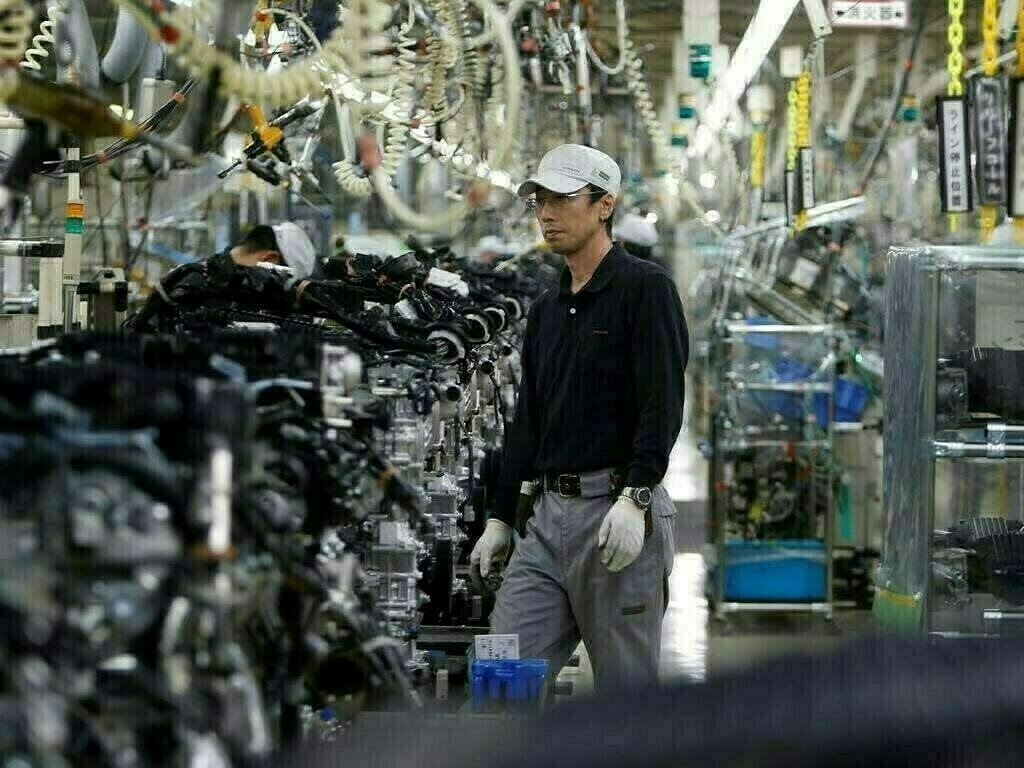
The principal accelerator is global investment in infrastructure for advanced artificial-intelligence models. Chinese shipments of electronics and related equipment have gained from that build-out, increasing the value of exports even as traditional manufacturing indicators provide a more cautious signal.
Economist Xu Tianchen said shortages of printed circuit boards, memory chips and optical transceivers should keep export momentum solid through the end of the year. His assessment treats limited capacity in key hardware as support for prices and orders rather than evidence of immediate demand exhaustion.
Official factory surveys complicate the outlook because both new orders and new export orders contracted in October. ANZ analysts said the deterioration could be an early warning of a softer AI technology cycle, leaving the release of actual trade data as a test between competing interpretations.
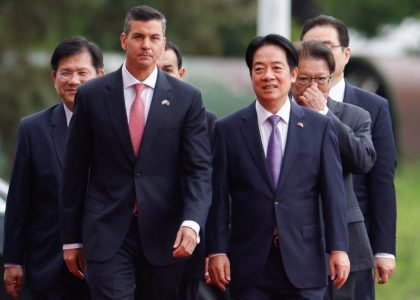
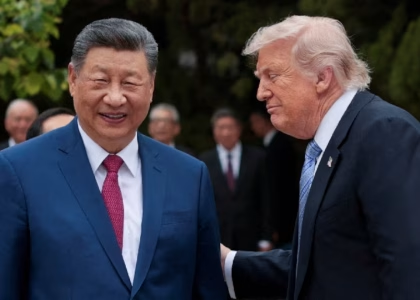
The surplus also increases political risk. European leaders want a more balanced commercial relationship, and a new EU-China limit on hybrid-vehicle exports has not yet taken effect, encouraging companies to ship early. Relations with Washington remain strained by the same scale of imbalance.
Strong exports are helping China remain on track for its 4.5–5 per cent growth target, but September retail sales rose only 1.1 per cent amid falling property values and job insecurity. Xu's hardware thesis may sustain trade, yet it cannot by itself repair weak household demand.