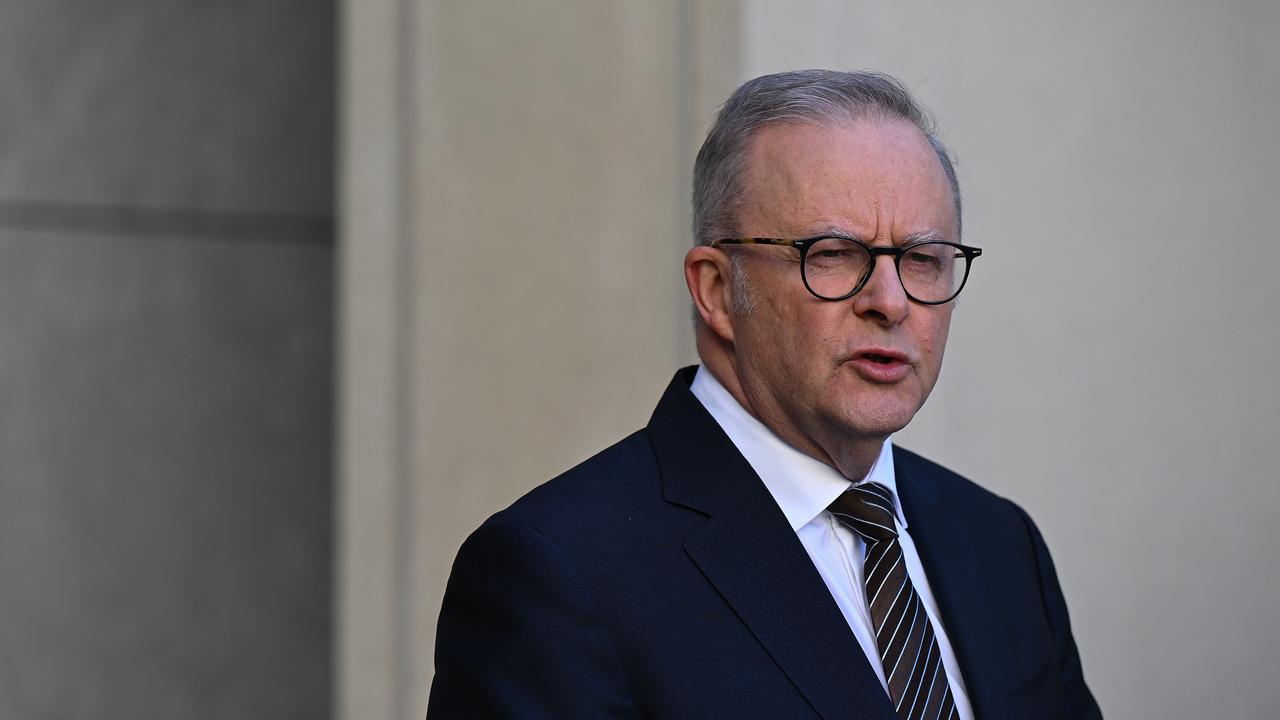
Australian Prime Minister Anthony Albanese says the Iran war, tariffs and household economic pain were major factors in the Republican defeat in the US midterm elections. He described the result as significant but rejected calls to replace his measured diplomacy with a more confrontational approach toward Donald Trump.
Returning from the Commonwealth leaders' meeting, Albanese said every participating government wanted the war to end and the Strait of Hormuz reopened. He promised to keep pressing Washington for de-escalation, linking maritime insecurity and energy prices directly to Australian inflation and living costs.
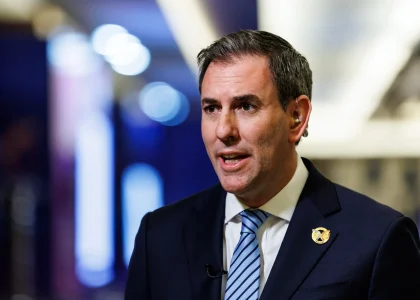
Trump has acknowledged that the war probably contributed to the defeat, while Vice President JD Vance called it the reason Republicans lost. Australian Trade Minister Don Farrell drew a parallel with tariff resistance, and Treasurer Jim Chalmers described households as casualties of decisions in Washington and Tehran.
Albanese also returned to a domestic economy facing a fifth interest-rate increase, taking the cash rate to an eighteen-year high. He said the government would continue seeking savings in its mid-year update, but did not promise net cuts or identify which programmes would be reduced.
The prime minister did not rule out means-testing subsidies for household batteries or electric vehicles. Opposition Leader Angus Taylor argues that inflation is home-grown and requires lower government expenditure, setting up a dispute over how much pressure comes from global shocks and how much from Australian fiscal choices.
Albanese defended his Commonwealth trip despite returning without a headline agreement. He said discussions with Canadian Prime Minister Mark Carney and British Prime Minister Andy Burnham advanced coordination among middle powers, including global artificial-intelligence rules before ASEAN, APEC and G20 meetings.
The political lesson is difficult to separate from policy. Albanese must preserve the US alliance while showing that external wars and tariffs do not dictate Australian living standards. His credibility will depend on whether diplomacy, budget savings and energy measures produce relief before public frustration hardens into electoral punishment.