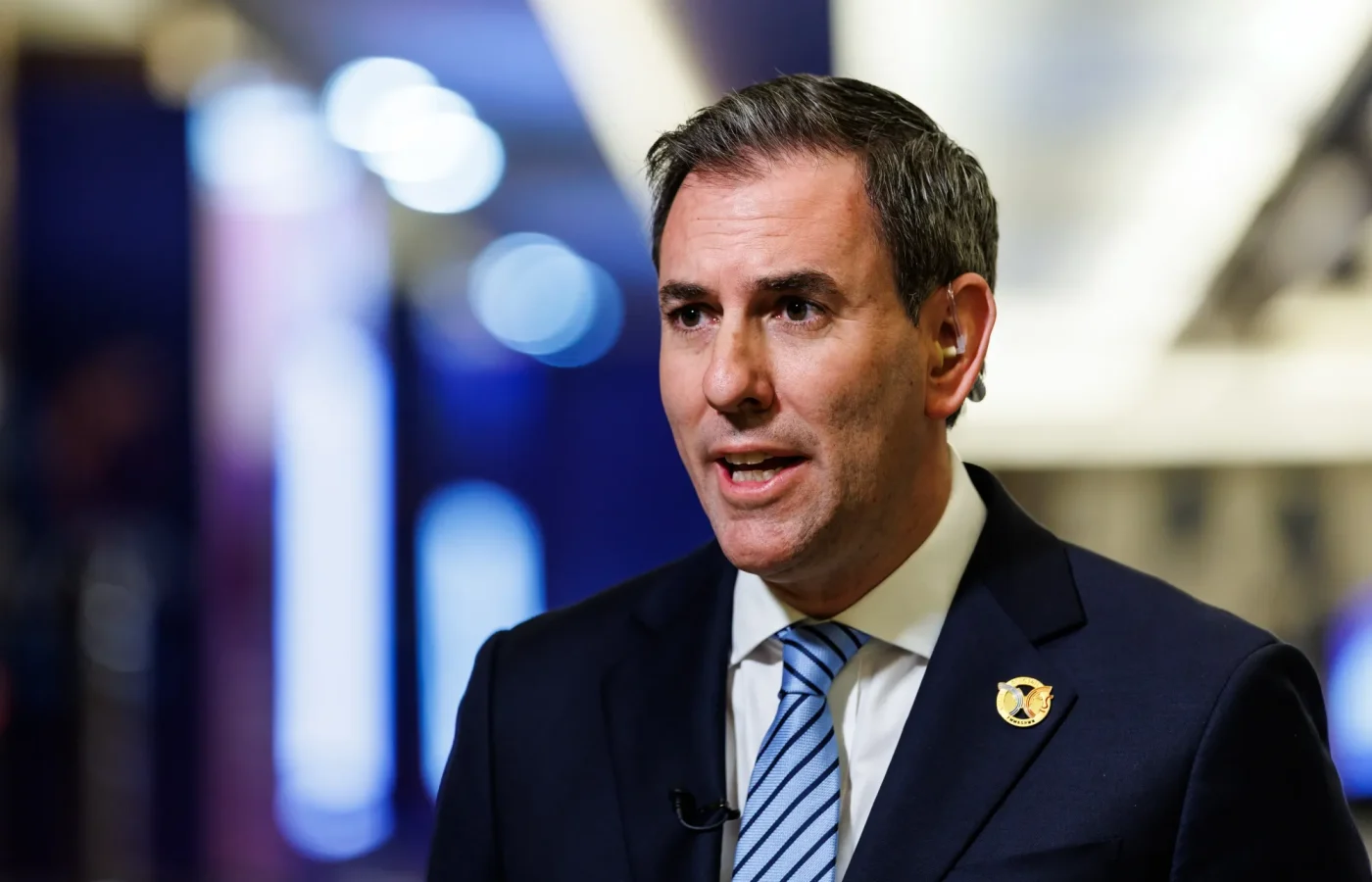
Australian Treasurer Jim Chalmers and Chinese economic-planning chief Zheng Shanjie convened the sixth Australia-China Strategic Economic Dialogue, giving both governments a structured forum for disputes and shared interests. It was the first time the dialogue had been held in three consecutive years.
Chalmers framed the meeting around the practical value of a stable relationship with Australia's largest trading partner. The objective was not to erase strategic disagreement, but to ensure that commercial decisions, supply risks and policy changes can be discussed before they become wider political crises.
The officials reviewed their economic outlooks and the effects of global volatility on growth. Fuel and energy security featured prominently, including Australia's role as a supplier and its dependence on internationally traded refined fuels, while iron ore remained central to the bilateral trade structure.
Investment was another test of whether dialogue can generate working mechanisms. Both sides welcomed the return of the Australia-China Investment Working Group, which met in July for the first time in a decade, creating a channel for rules, approvals and investor concerns outside the annual political summit cycle.
The talks also addressed transparent government engagement, open trade and opportunities for companies. Those principles matter because commercial confidence depends not only on aggregate trade figures but also on clear regulation, predictable reviews and the ability of firms to raise problems with officials.
The dialogue is intended to prepare a meeting between Australia's prime minister and President Xi Jinping later in November. Chalmers said four years of calm and consistent engagement had helped stabilise relations, suggesting that repetition and institutional contact are themselves part of the policy result.
The sixth round will be meaningful only if the restored channels keep functioning when pressure rises. A regular investment group, clearer energy discussions and leader-level contact can reduce miscalculation, but durable stability requires both governments to translate diplomatic language into predictable economic treatment.