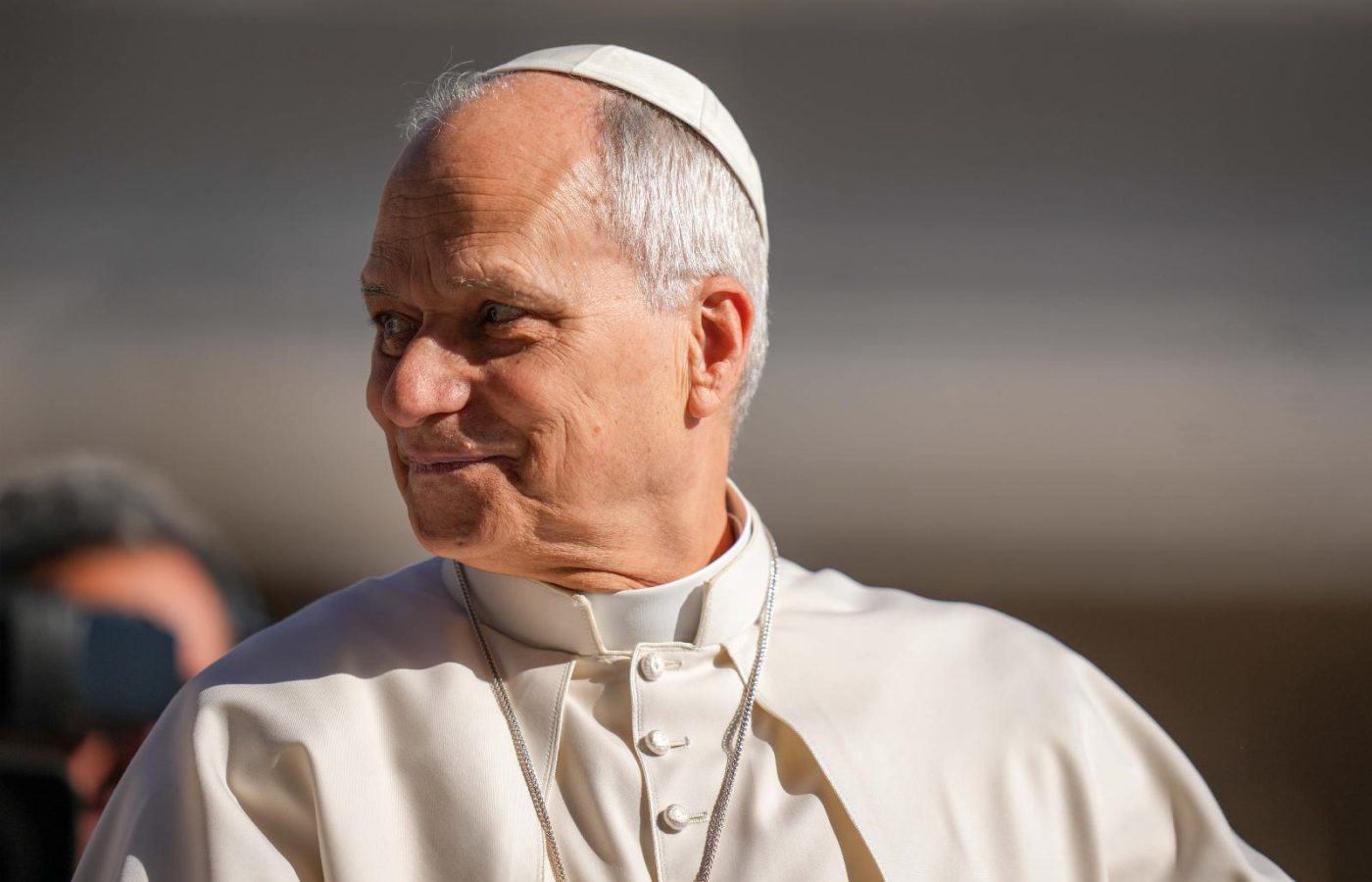
Pope Leo XIV's first trip to Latin America is expected to generate close to $500 million in tourism and related economic activity across Uruguay, Argentina and Peru. The November 6-16 itinerary combines large religious gatherings with an unusually concentrated demand shock for transport, accommodation, food and merchandise.
The tour begins in Uruguay, with stops planned in Montevideo, Paysandú and Florida. Organisers estimate logistics will cost between $2 million and $3 million. A national raffle could raise as much as $1.6 million, while other collections are expected to contribute about $300,000 toward the visit.
Argentina is preparing for the largest single movement of people. Around 3.46 million visitors are projected for Luján, and estimated one-day consumption could reach $270 million. Searches for accommodation have risen 1,803 per cent, with minimum prices reported around $1,500 compared with ordinary rates near $200.
The surge is spreading beyond hotels. Bus companies, restaurants, vendors and producers of religious goods in Buenos Aires expect exceptional demand, while public authorities must manage road access, sanitation, emergency care and crowd movement on a scale that can quickly overwhelm local capacity.
Peru expects more than one million participants, including about 50,000 foreign visitors. Leo XIV is due to spend two days in Chiclayo, where a Mass is planned at Pampas de Pimentel, before a final gathering in Lima that organisers also expect to draw more than one million people.
The Lambayeque business chamber estimates that the Peruvian portion could generate 500 million soles, about $144 million, across transport, hotels, restaurants, handicrafts, industry and agricultural exports. Existing capacity is already near its limit, so price pressure and service bottlenecks will be as important as headline revenue.
The trip also carries historical weight: Argentina and Uruguay have not hosted a pope since John Paul II's visits in the 1980s, while the last papal visit to Peru was Francis in 2018. The economic benefit will depend on converting a short pilgrimage boom into organised local income without excluding residents through congestion or inflated prices.