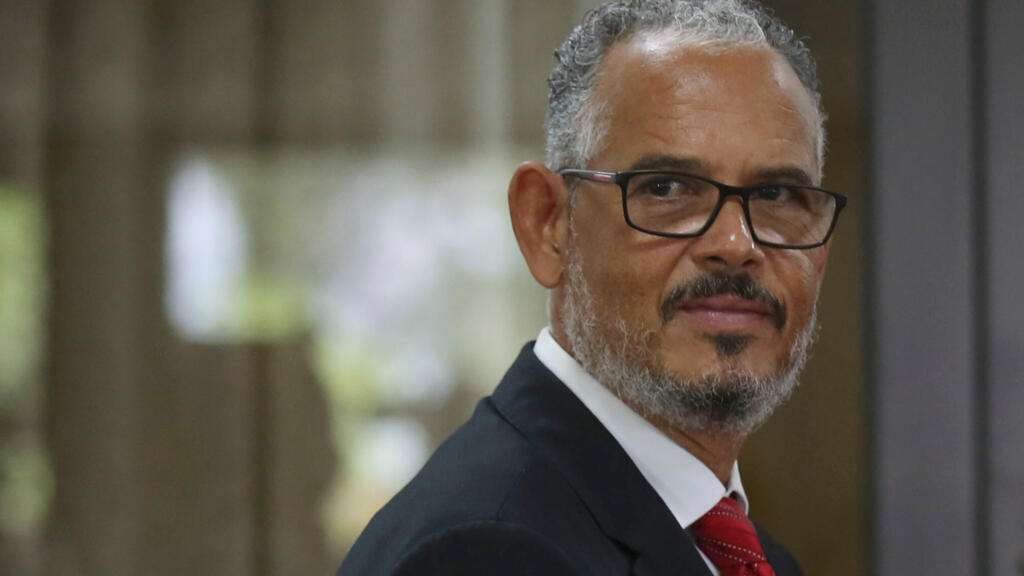
Haitian Prime Minister Alix Didier Fils-Aimé has publicly defended the arrival of more than 2,000 Salvadoran troops, insisting that Haiti remains in control of foreign forces operating on its territory. He said the deployment was intended to support the state's campaign against armed groups rather than replace Haitian authority.
The military buildup followed an October 18 gang attack on an armoured vehicle that left four Salvadoran aviation technicians missing. President Nayib Bukele first sent special forces to search for the personnel and then expanded the operation, turning an urgent rescue mission into a much larger security presence.
Fils-Aimé thanked Bukele and said the common objective was to uproot gangs that terrorise communities. Haitian officials have described the disappearance as an abduction and a national priority, although the government has not publicly explained what intelligence it has on the technicians' location or condition.
The scale and speed of the deployment have created a legal and operational problem. Most of the Salvadoran personnel are outside the formal structure of the UN-backed Gang Suppression Force, and authorities have not clearly published their chain of command, rules of engagement, geographic limits or expected departure date.
Those gaps matter because Haitian police, the national army, the international mission and other foreign or private security actors are operating in the same contested environment. If forces overlap without a transparent command system, responsibility can become difficult to establish when civilians are harmed or operations fail.
The government says it is also strengthening Haitian institutions through police training and operations in Kenscoff, Gressier and Artibonite. Yet gangs continue to control important roads and neighbourhoods, while prolonged violence has weakened health services, displaced families and delayed the return to elected government.
Foreign reinforcements may add manpower and specialised capabilities, but legitimacy will depend on clear Haitian authorization, public reporting and compliance with international law. Without those safeguards, the mission risks gaining tactical speed while deepening uncertainty over who ultimately commands security policy and answers for its consequences.