Governments from Central America and the Dominican Republic have reaffirmed a ten-year regional strategy to prevent the illicit trafficking and proliferation of firearms, ammunition and explosives. The first annual meeting reviewed progress made since the roadmap was adopted at OAS headquarters in February 2025.
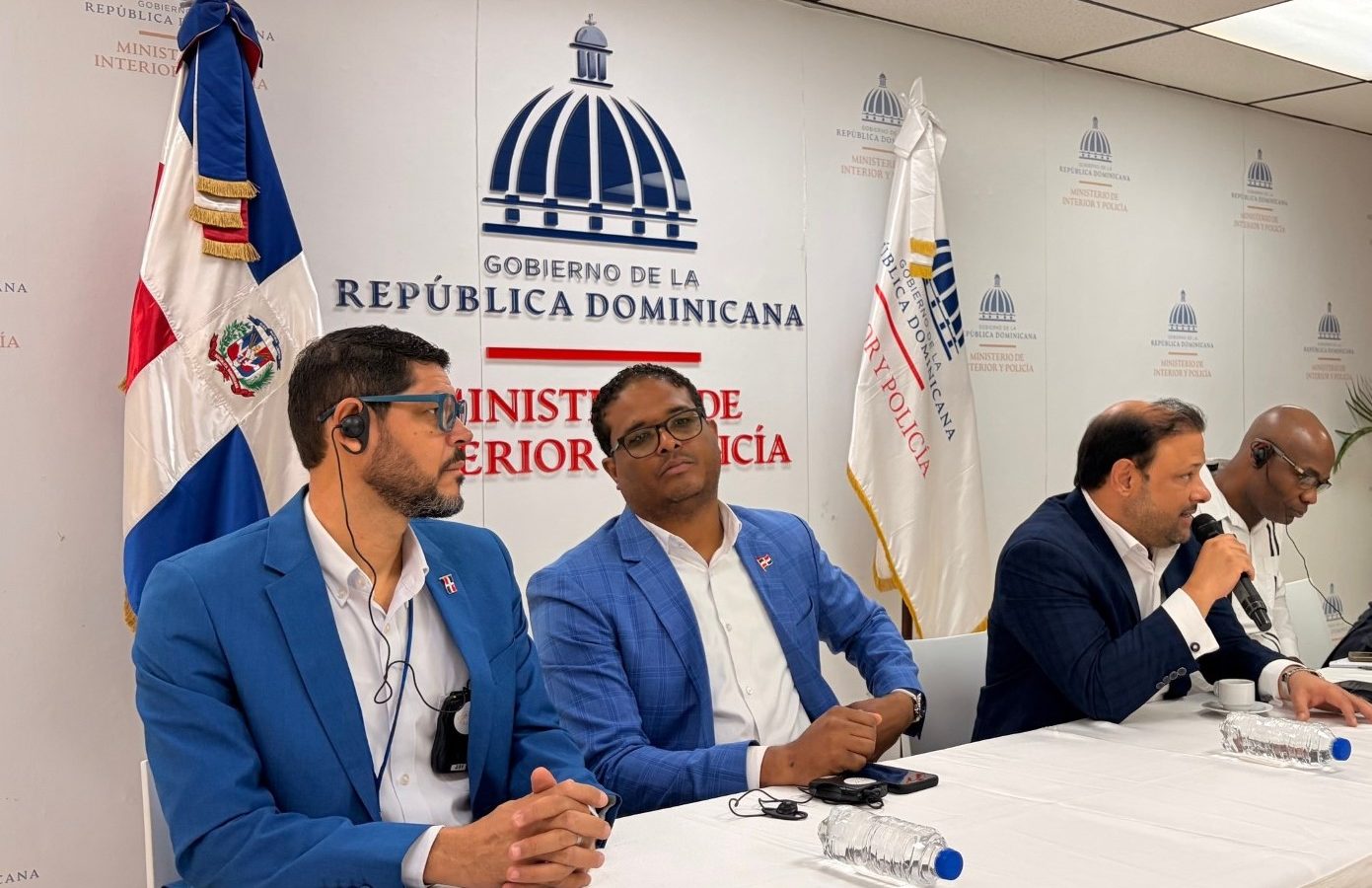
Ministers, deputy ministers and senior officials from Belize, Costa Rica, El Salvador, Guatemala, Honduras, Panama and the Dominican Republic met virtually on October 29. Their discussion focused on building national capacity that can support regional cooperation rather than relying on declarations without domestic institutions.
Authorities reported progress in three operational areas: national action plans, inter-agency coordination and a monitoring and evaluation system capable of tracking implementation. Progress varies by country, which makes common indicators essential if governments are to distinguish completed reforms from announced intentions.
Guatemala became the first participating country to complete consultation and validation of its national plan and has moved into monitoring. The Dominican Republic is preparing a presidential decree for an inter-agency commission, while Belize is combining commitments from the Caribbean and Central American roadmaps in one plan.
Costa Rica, El Salvador, Honduras and Panama remain in the process of developing plans and strengthening coordination. The roadmap's four pillars cover regulation and institutional cooperation, prevention of firearm violence, lifecycle management of weapons and ammunition, and criminal investigation and prosecution.
The OAS, the UN regional centre UNLIREC and the Central American Integration System provide technical assistance. The European Union and Germany finance implementation, and the meeting included donors and partners to identify needs, priorities and opportunities for cooperation.
States intend to continue implementation through 2027 and hold the next annual meeting in person. The programme's credibility will ultimately depend on outcomes beyond planning: traceable weapons, controlled stockpiles, better investigations and measurable reductions in the flow of firearms that sustain organised crime and lethal violence.