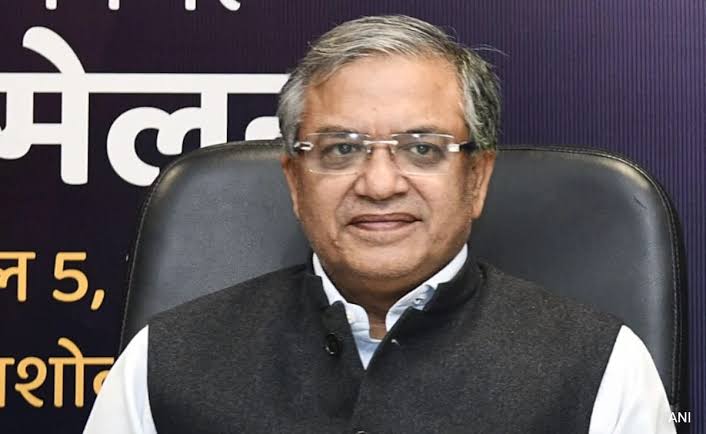
Indian police detained several people in New Delhi during a second day of demonstrations backed by the Gen Z-led Cockroach Janta Party and opposition organisations. The protest focused on changes to voter rolls and demanded the resignation of Chief Election Commissioner Gyanesh Kumar.
About one hundred demonstrators removed security barricades and chanted slogans accusing authorities of stealing votes before officers forced some of them into buses. A Reuters witness identified independent parliamentarian Kapil Sibal, student leader Neha Bora and activists Prashant Bhushan and Yogendra Yadav among those present.
The mobilisation is part of a wider series of youth-led protests that has placed unusual pressure on Prime Minister Narendra Modi after twelve years in power. Organisers say the voter-roll exercise benefits the governing party by excluding eligible citizens, an allegation authorities reject.
Bora said officials had first removed people from electoral lists and were now preventing critics from speaking publicly. Police declined to state how many people were detained or identify them, while Kumar had not commented on calls for him to step down.
Security restrictions were already in effect after police blocked a gathering on Friday and transported participants away in buses. Several nearby metro stations remained closed. Many detainees were released, but some were charged with violating orders that prohibited mass gatherings in the capital.
At the centre of the dispute is a nationwide voter-verification programme launched last year. Critics contend that millions of eligible citizens have been deleted from rolls, raising concerns about access to the ballot and the neutrality of an institution long regarded as one of India's most trusted.
The Election Commission says the review is intended to remove duplicate entries and the names of people who are deceased or otherwise ineligible. It directed officials on Friday to register newly eligible voters and restore people who had been omitted, presenting the exercise as administrative correction rather than partisan exclusion.
The confrontation now combines a technical argument over electoral data with a broader contest over democratic legitimacy. Protesters are testing limits on assembly and demanding institutional accountability, while authorities insist on public-order rules. How omissions are reviewed and corrected will shape confidence before future elections.