About 2,000 protesters blocked an Orange Order parade from passing through the Catholic Garvaghy Road area of Portadown on Sunday. The standoff developed after Northern Ireland's High Court rejected a fresh attempt by residents to stop the route once an appellate court lifted a temporary injunction.
The parade would have been the first on the contentious route after a ban lasting almost thirty years. The Parades Commission authorized a smaller-than-usual group of 35 participants to march between 8 a.m. and 9:30 a.m., but the crowd prevented it from starting.
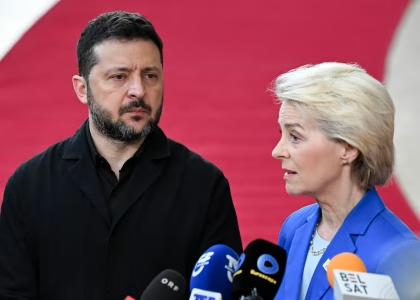
Northern Ireland First Minister Michelle O'Neill and Sinn Féin leader Mary Lou McDonald joined residents who gathered overnight in the rain. Police vans and riot-equipped officers stood nearby, warning that blocking the road was an offence while keeping distance between the opposing groups.
The Garvaghy Road dispute became a symbol of wider division during the 1990s, when Orange Order attempts to enter the Catholic enclave triggered unrest. The route was prohibited in 1998, the same year the Good Friday Agreement largely ended the three decades of conflict known as the Troubles.
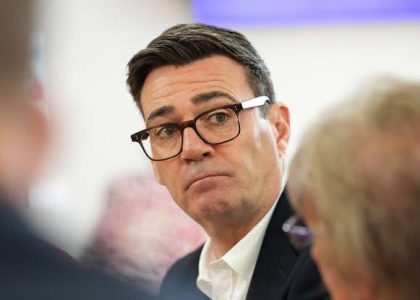
British Prime Minister Andy Burnham and Irish premier Micheál Martin, whose governments guarantee the peace accord, appealed for calm. Martin nevertheless called the Parades Commission's permission incomprehensible and wrong, while Burnham warned against reversing Northern Ireland's political gains.
The Orange Order describes its marches, traditional orange sashes and bowler hats as expressions of Protestant culture. Nationalists argue that parades through Catholic neighbourhoods communicate triumphalism and intimidation, making the route more than a question of traffic or ceremonial access.
British minister Chris Bryant could revoke the decision if police requested intervention, but he said no such request had arrived. O'Neill warned that the episode tested the peace process, while Democratic Unionist leader Gavin Robinson accused senior Sinn Féin figures of joining an unlawful protest.