
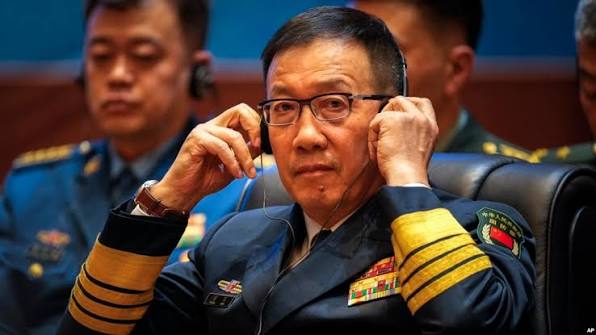
China is hosting its annual Xiangshan defence forum in Beijing as tensions persist around Taiwan, the South China Sea and the reliability of United States security commitments in Asia. Defence Minister Dong Jun is expected to open the three-day gathering on Tuesday and present Beijing's global-security priorities.
Hundreds of military officers, diplomats and scholars from dozens of countries are expected to attend. The tightly managed event is China's counterpart to Singapore's Shangri-La Dialogue, which generally allows a more open style of public debate among defence officials.
Dong is expected to advocate closer international cooperation in a multipolar order while directing coded criticism at the United States and its allies. Diplomats and analysts anticipate restraint toward Washington before President Xi Jinping's planned visit to meet President Donald Trump later in September, while Japan may face sharper language.
Taiwan does not attend the forum or most major international gatherings because Beijing claims the democratically governed island as its territory and the two governments do not recognize one another. Taiwan's military conducted military and civil-defence exercises in August to rehearse resistance to a possible Chinese invasion.
Dong's address follows Xi's calls for greater representation of Global South countries in international affairs. At a Shanghai Cooperation Organization summit in Kyrgyzstan, Xi argued that control of global affairs by one country, a small group or a bloc did not constitute genuine multilateralism.
Western governments typically send relatively junior delegations, while Asian states often deploy senior officials as they balance ties with China and the long-standing American security presence. The U.S. group is expected to be led by Pentagon official Cynthia Carras; Vietnam is sending Defence Minister Phan Van Giang and Malaysia Vice Defence Minister Adly Zahari.
Questions about American commitments give Beijing an opportunity to argue that Asian security should be managed within the region. Patricia Kim of the Brookings Institution said China's increasingly assertive conduct, particularly in the South China Sea, sharply limits its ability to turn those doubts into regional trust.
The gathering also gives foreign delegations a view of the effects of Xi's continuing military anti-corruption campaign. Ahead of next year's Communist Party congress, only two of seven Central Military Commission seats are occupied, including Xi's, making the forum a place to observe officers who might enter the next generation of People's Liberation Army leadership.


