India and the United States have signed a government-to-government agreement valued at Rs 292 crore for about 60 Javelin anti-tank guided missiles for the Indian Army. The limited purchase is intended to reinforce anti-armour firepower after Operation Sindoor while meeting an immediate operational requirement.
The contract is being placed through India's sixth emergency procurement window, known as EP-6. That mechanism permits each service to acquire equipment worth up to Rs 300 crore per contract, explaining why the Javelin order remains below the threshold and involves a relatively small initial quantity.
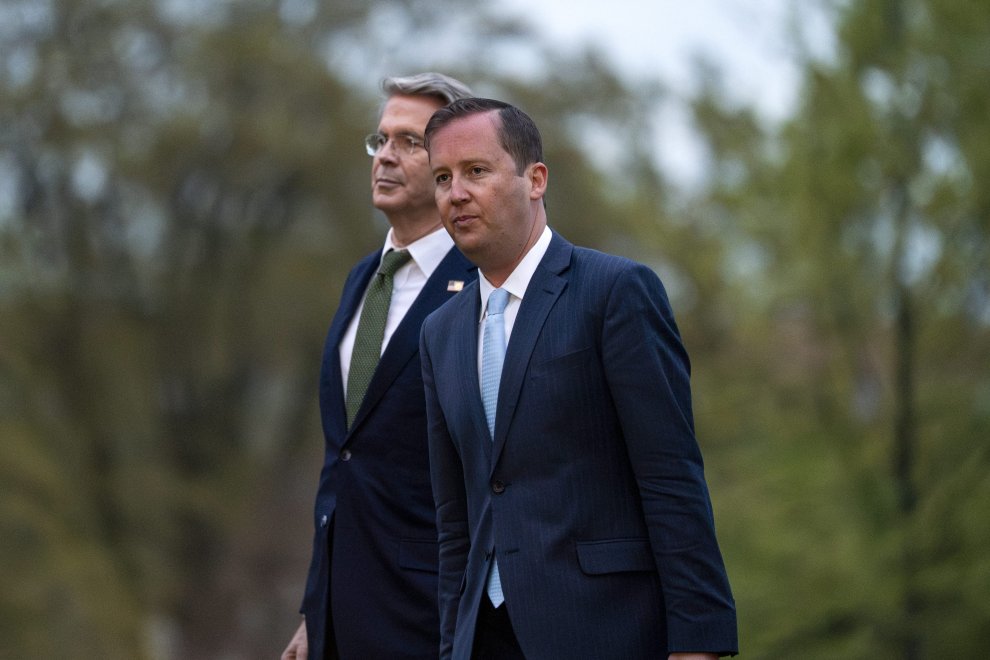
Deliveries under emergency procurement contracts are expected to begin by the end of the 2026-27 financial year. United States Ambassador Sergio Gor publicly confirmed India's plan to buy the battle-tested system and linked the acquisition to a deeper bilateral defense relationship.
The FGM-148 Javelin is a man-portable guided weapon developed and produced by the Javelin Joint Venture of Lockheed Martin and RTX for the United States military. Its primary mission is to destroy tanks and other armoured vehicles, giving infantry units a precision option against protected mobile targets.
The weapon can also be employed against bunkers, fortified positions, buildings and other battlefield targets. That wider target set makes the system useful beyond classic tank engagements and allows small ground formations to attack hard points without relying entirely on heavier direct-fire weapons.
A Javelin round is sealed inside a disposable launch tube, while the Command Launch Unit is reusable. The CLU provides day and thermal-imaging sights for detection and engagement, enabling soldiers to acquire targets under different visibility conditions before attaching and firing a missile.
Its passive imaging-infrared seeker provides a fire-and-forget capability: after the operator locks on and launches, the missile guides itself without continuous control. The initial procurement therefore adds mobility and crew survivability, while the ambassador's comments leave open the possibility of future United States-India co-production.