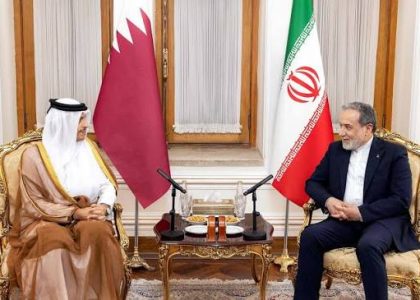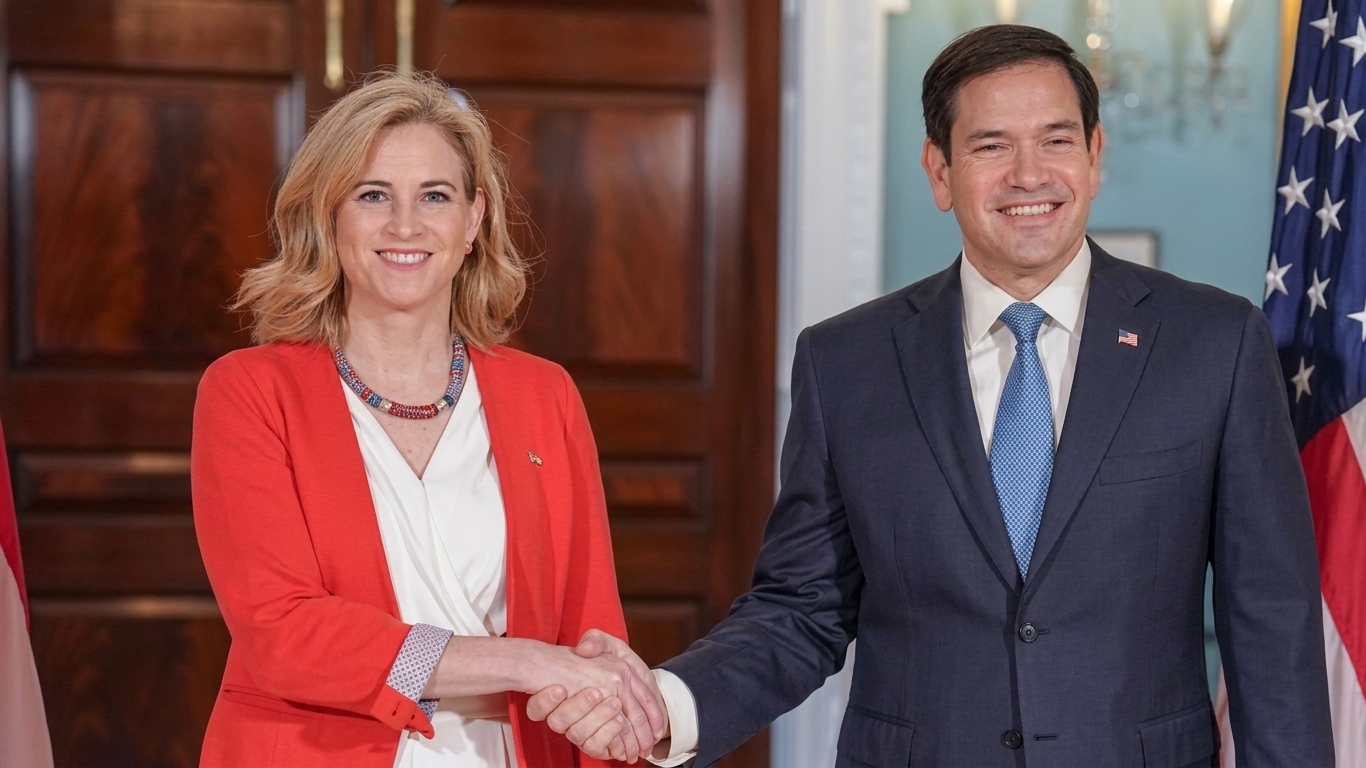
The United States has widened its diplomatic outreach as negotiations with Iran remain stalled, bringing Austria and Greece into a search previously centered on uneven contacts involving Oman, Pakistan, Turkey and Qatar. Secretary of State Marco Rubio met Austrian Foreign Minister Beate Meinl-Reisinger in Washington and spoke by phone with Greek Foreign Minister George Gerapetritis one day later.
Both European ministers then called Iranian Foreign Minister Abbas Araghchi. The State Department said Rubio had not asked either government to contact Tehran or carry messages, although it acknowledged that Iran had been discussed. A European diplomat briefed on the conversations said the sequence was not accidental.
The European involvement appears closer to diplomatic pressure than formal mediation. Analysts said countries affected by the conflict and Iran's effective closure of the Strait of Hormuz are urging both sides to step back, while warning that genuine mediation requires trust and cannot be improvised by a state without established standing with Washington and Tehran.
Reopening the Strait of Hormuz has become Washington's immediate priority. Roughly one-fifth of global oil normally passes through the corridor, which was open before the United States and Israel attacked Iran on February 28. The war's economic costs and dwindling stocks of key weapons are also creating political pressure ahead of the November congressional elections.
Austria brings a distinct diplomatic profile. Vienna hosts the International Atomic Energy Agency and the final negotiations that produced the 2015 Iran nuclear agreement. Its government offered the country as a venue for future talks, said there could be no military solution and placed regional stability and freedom of navigation at the center of its appeal.
Greece has a different form of leverage as a major Mediterranean maritime nation with significant shipping interests in the Strait of Hormuz and the Red Sea. Gerapetritis was briefed by Araghchi on regional developments and discussions over the strait, and stressed freedom of navigation and maritime security.
Tehran framed the calls around mechanisms for managing the strait after what Araghchi described as unlawful aggression by the United States and Israel. In both conversations, he accused Washington of violating the interim agreement signed in June to stop the immediate hostilities and begin broader negotiations.
The new contacts show how disruption in the oil corridor has expanded the circle of countries seeking an end to the conflict. They also expose the limits of the initiative: Austria can offer a venue and nuclear expertise, Greece can emphasize shipping security, but neither has yet bridged the competing accounts of the war or produced a return to direct US-Iran negotiations.