The United States has warned Gulf Arab governments to prepare for a possible short but intense renewal of the war with Iran after the US midterm elections. Donald Trump has not made a final decision, yet military preparations indicate that a major strike option remains active.
Washington is replenishing munitions, moving personnel away from vulnerable bases and positioning additional forces. A Patriot battery has been sent from Texas to Israel, while bombers, fighters, naval vessels and a possible Marine expeditionary unit are being readied for different contingencies.
Israel is developing its own plans, with Benjamin Netanyahu pressing for operations that would further damage Iranian military and nuclear infrastructure and possibly weaken the regime. Trump could still choose a negotiated agreement, but the preparations reduce the time available for diplomacy.
The strategic pressure is already severe. Sanctions and a naval blockade have constrained oil sales, air links and overland trade, deepening an economic crisis inside Iran. Supporters of escalation believe a concentrated campaign could force Tehran to accept American terms.
That assumption is disputed. Iran has absorbed more than 20,000 strikes without capitulating, and analysts warn that another attack could harden its resolve to rebuild missiles and pursue nuclear leverage rather than produce political surrender.
Inspectors report no visible repair at previously bombed nuclear sites, but incomplete access prevents them from accounting for all material. A facility at Pickaxe Mountain, built under rock, remains a particular source of uncertainty and complicates claims that Iran's programme has been neutralised.
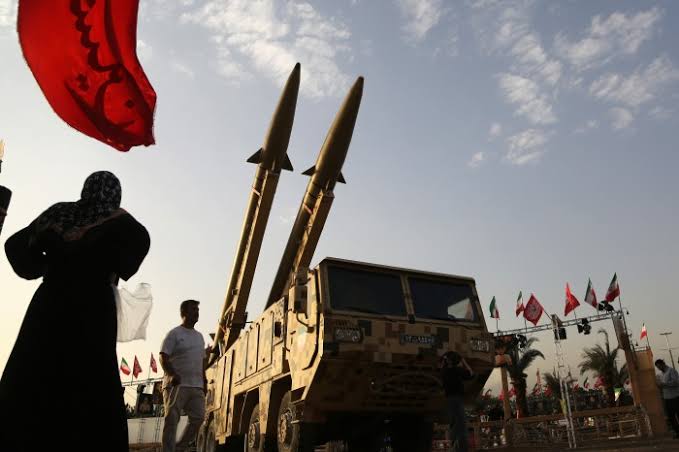
Tehran retains hundreds or possibly thousands of missiles and is rebuilding with stockpiled components. Iranian officials threaten economic and civilian targets, while Gulf states worry that depleted air-defence inventories leave energy infrastructure and cities exposed to retaliation.
The warning is therefore not a prediction of a controlled operation. It is an acknowledgement that a brief US-Israeli offensive could trigger a wider regional exchange, disrupt oil and shipping again, and leave Gulf partners carrying risks that military planners cannot fully contain.